

Keeping wicker outdoor furniture pest-free depends on regular cleaning, drying, and inspection rather than routine insecticide use. The article explains how to remove debris, cushions, webs, and food residue, and how to reduce moisture, nearby vegetation, and sheltered hiding places that attract insects.
It also distinguishes natural from synthetic wicker, outlines safe cleaning and storage practices, and notes when to seek professional help for wasp nests, bees, or possible structural pest damage.
Wicker outdoor furniture adds warmth and texture to a patio, porch or garden, but its woven construction can also create convenient hiding places for spiders, ants, wasps and other unwanted visitors.
Dust, pollen, leaves, food crumbs and moisture can collect between the woven strands. If they are allowed to build up, these materials can make the furniture more attractive to insects and encourage mould or mildew.
Fortunately, keeping wicker furniture pest-free does not usually require routine spraying with insecticide. Regular cleaning, careful inspection and proper storage will prevent most problems before they become established.
How to Keep Wicker Outdoor Furniture Pest-Free
The most effective approach is to remove the conditions that pests are looking for:
- Food and drink residue
- Leaves, pollen and other organic debris
- Undisturbed cracks and hiding places
- Standing water and persistent dampness
- Nearby vegetation that provides access to the furniture
The correct cleaning method will depend on whether your furniture is made from natural wicker or synthetic resin wicker, so begin by identifying the material.
Natural Wicker vs Synthetic Wicker
The word wicker describes a weaving method rather than one particular material.
Traditional wicker furniture may be made from natural materials such as:
- Rattan
- Reed
- Cane
- Willow
- Bamboo
Modern outdoor wicker is often made from synthetic resin, polyethylene or another weather-resistant plastic woven around a metal frame.
This difference matters because natural wicker can absorb water, swell, weaken or develop mildew if it remains wet. Synthetic wicker is generally more resistant to moisture and can usually tolerate more thorough washing.
Check the manufacturer’s care label before applying water, detergent, bleach or any pest-control product. When the material is uncertain, use the gentlest cleaning method first.
1. Vacuum and Brush the Furniture Regularly
The simplest way to discourage pests is to prevent debris from accumulating in the weave.
Use a vacuum cleaner with a soft brush attachment to remove:
- Dust and pollen
- Leaves and grass
- Food crumbs
- Dead insects
- Spider webs and egg sacs
- Loose dirt beneath the cushions
Work slowly across the arms, seat, back and underside of the furniture. Pay particular attention to joints, corners and the places where the woven material meets the frame.
A soft-bristled paintbrush or clean toothbrush can loosen dirt that the vacuum cannot reach. Avoid hard wire brushes, which may scratch synthetic wicker or split natural fibres.
Iowa State University Extension recommends vacuuming wicker before wiping it with a mild detergent solution. Vacuuming is also a useful nonchemical way to remove spiders and other occasional pests.
During periods of heavy use, inspect and brush the furniture approximately once a week. Furniture kept beneath trees or close to flowering plants may need attention more frequently because pollen, petals and insects can accumulate quickly.
2. Remove Cushions and Clean Beneath Them
Do not clean only the visible woven surfaces. The protected area beneath a cushion is often the most attractive part of the chair for insects.
Remove every cushion and check:
- The underside of the cushion
- Seams, piping and zip openings
- The furniture seat beneath it
- Corners where the frame meets the weave
- Any fabric ties or fastening straps
Shake loose debris outdoors and follow the cushion manufacturer’s washing instructions. Allow cushions to dry completely before returning them to the furniture.
Do not leave outdoor cushions damp after rain. Store them in a dry, ventilated cushion box, shed or indoor area when the furniture will not be used for an extended period.
If a storage box is not weatherproof or becomes damp inside, it may create a better pest habitat than the furniture itself. Inspect the box periodically and do not store wet cushions in a sealed container.
3. Wash the Wicker with Mild Soap and Water
Vacuuming removes loose material, but occasional washing helps remove sticky pollen, drink residue, bird droppings and other substances that can remain attached to the weave.
How to clean natural wicker
Natural wicker should be cleaned conservatively.
- Vacuum the furniture thoroughly.
- Add a small amount of mild dish soap to warm water.
- Dip a soft cloth into the solution and wring it out well.
- Wipe the woven surfaces without soaking them.
- Use a soft toothbrush for narrow crevices.
- Wipe away soap residue with a separate damp cloth.
- Allow the furniture to dry completely in a shaded, ventilated place.
Avoid saturating natural wicker with a hose or pressure washer. Too much water can penetrate the fibres and joints, while forceful spraying may loosen or damage the weave.
How to clean synthetic wicker
Synthetic resin wicker can usually tolerate more water, although the manufacturer’s instructions should still take priority.
- Remove and vacuum the cushions.
- Brush or vacuum loose dirt from the frame.
- Wash the furniture with mild soap and warm water.
- Use a soft brush to clean between the woven strands.
- Rinse gently with clean water if the manufacturer permits it.
- Let the furniture drain and air-dry completely.
Do not use a pressure washer unless the furniture manufacturer specifically approves it. High-pressure water can damage the weave, strip protective finishes or force water into the frame.
4. Keep the Furniture Dry
Moisture does not automatically cause an insect infestation, but consistently damp, undisturbed areas can support mould, mildew and organisms that attract other pests.
After cleaning or rainfall:
- Tilt chairs so trapped water can drain
- Remove wet cushions
- Move the furniture into a ventilated area
- Open covers to release trapped condensation
- Allow every surface to dry before covering or storing it
Air-drying is generally preferable to using a hot hairdryer. Concentrated heat may damage synthetic strands, finishes, adhesives or natural fibres. A household fan can be used to improve airflow if the furniture is drying slowly.
Do not place a tightly fitted cover over wet furniture. Although a cover protects against rain and debris, it can trap moisture if there is no ventilation beneath it.
5. Deal with Mould and Mildew Carefully
Dark spotting or a musty smell may indicate mould or mildew rather than insect activity.
Begin with mild soap and water. Clean the affected area outdoors, wear gloves and avoid breathing in visible spores.
If the marks remain, consult the furniture manufacturer’s care instructions before using stronger products. Bleach may discolour natural wicker, damage some finishes and affect nearby fabrics or plants.
Before applying any cleaning solution:
- Test it on a small hidden area
- Do not mix bleach with ammonia, vinegar or other cleaners
- Protect your skin and clothing
- Ensure there is good ventilation
- Rinse only as directed by the manufacturer
- Dry the furniture thoroughly afterwards
Iowa State University Extension provides a diluted bleach method for mildew on wicker, but it also warns that bleach may lighten the material. Because modern wicker products use many different fibres, dyes and coatings, the furniture manufacturer’s instructions should be followed before trying this treatment.
6. Inspect for Spider Webs, Egg Sacs and Nests
Spiders commonly use outdoor furniture because the underside of a chair or table provides a protected place to build a web.
Inspect the furniture regularly, especially:
- Under seats and tabletops
- Behind backrests
- Inside hollow frames
- Around unused screw holes
- Between cushions and armrests
- Where the furniture touches a wall or railing
Remove ordinary webs and accessible egg sacs with a vacuum, long-handled brush or gentle stream of water where suitable for the material.
Exercise caution when dealing with unfamiliar spiders. Do not place your hands into concealed gaps that you cannot see clearly. Where medically significant spiders occur in your region, contact a pest-control professional if identification or safe removal is uncertain.
7. Check for Wasps and Bees Before Moving the Furniture
Hollow frames, folded parasols, storage boxes and the sheltered undersides of outdoor tables can occasionally be used by wasps or bees.
Before cleaning furniture that has remained undisturbed:
- Observe it from a distance for insect activity
- Look beneath the seat and tabletop
- Check hollow tubes and frame openings
- Move the furniture slowly
- Keep children and pets away during inspection
Do not block the entrance to an active nest or attempt to remove a large nest without knowing what species is present. Aggressive wasps can sting repeatedly, while honey bee colonies may be suitable for removal and relocation by a beekeeper.
Contact a qualified pest professional or beekeeper when a nest is active, difficult to reach or located close to frequently used seating.
8. Remove Food and Drink Residue Promptly
Outdoor dining can leave behind crumbs, sugar, grease and drink spills that attract ants, flies, wasps and other pests.
After using the furniture:
- Clear plates and glasses promptly
- Wipe up sugary drinks
- Remove food caught between the weave
- Empty nearby bins
- Clean beneath the furniture
- Do not leave pet food outside overnight
Inspect the furniture carefully after barbecues and children’s meals, when small pieces of food are particularly likely to become lodged beneath cushions or inside the weave.
9. Clear Leaves and Vegetation Around the Furniture
Pests may reach patio furniture from surrounding plants, overhanging branches and accumulated garden debris.
Reduce sheltered access by:
- Sweeping leaves from beneath the furniture
- Trimming plants that touch chairs or tables
- Moving stored pots away from furniture legs
- Removing fallen fruit and dead vegetation
- Keeping nearby drains clear
- Avoiding permanent piles of cardboard or timber beside the patio
You do not need to create a sterile garden. Many insects are beneficial and are a normal part of an outdoor environment. The aim is simply to prevent dense, undisturbed debris from building up immediately around the seating area.
10. Use Furniture Covers Correctly
A well-fitted outdoor furniture cover can reduce the amount of pollen, leaves and bird droppings reaching the weave. However, the wrong cover or poor use can create damp, protected conditions in which pests remain undisturbed.
Choose a cover that is:
- Designed for outdoor use
- Water-resistant but ventilated
- Large enough to avoid stressing the furniture
- Secure enough not to flap in strong wind
- Easy to remove for regular inspection
Only cover furniture when it is clean and dry. Remove the cover periodically to check for condensation, webs, insects and signs of mould.
A cover should not replace routine cleaning. Debris can still enter from beneath it, and pests may crawl into the protected space.
11. Store Wicker Furniture Properly During Winter
Where winters are cold, wet or snowy, indoor storage can extend the life of wicker furniture and reduce the likelihood of pest damage.
Before storage:
- Remove and clean all cushions.
- Vacuum the weave and frame.
- Wash the furniture if necessary.
- Allow it to dry completely.
- Inspect it for insects, webs and eggs.
- Store it in a dry, ventilated location.
Avoid placing natural wicker directly on a damp garage or basement floor. Use a clean platform, shelf or furniture feet to provide separation from moisture.
Do not wrap damp furniture tightly in impermeable plastic. Trapped moisture can encourage mould and may damage natural fibres.
12. Avoid Routine Pesticide Spraying
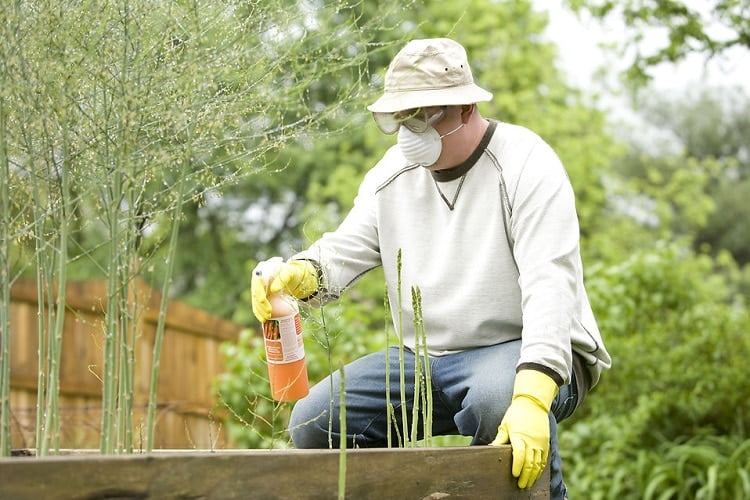
Spraying the entire piece of furniture whenever an insect appears is rarely necessary.
Integrated pest management focuses first on:
- Identifying the pest
- Removing food and water sources
- Cleaning hiding places
- Physically removing occasional pests
- Monitoring for further activity
- Using targeted treatment only when needed
Routine insecticide application can expose people, pets and beneficial insects to chemicals without addressing the reason pests are using the furniture.
If treatment becomes necessary, select a product labelled for the specific pest and the intended outdoor location. Follow every direction on the label, including restrictions involving furniture, food-contact surfaces, children and pets.
Do not apply pesticides to cushions, seating surfaces or natural wicker unless the label explicitly permits that use.
Should You Use Natural Pest Repellents on Wicker?
Online remedies often recommend peppermint oil, citrus oil, vinegar or other strongly scented substances as insect repellents.
These treatments should be approached carefully. Essential oils and acidic liquids may stain fabric, affect furniture finishes or harm pets when improperly used. Their effects may also be temporary and inconsistent.
Cleaning, drying, removing webs and reducing nearby debris are more dependable first steps.
If you decide to test any homemade treatment:
- Confirm that it is safe for the furniture material
- Check whether it presents a risk to pets or children
- Test a small hidden area first
- Do not apply it to cushions or skin-contact areas
- Do not assume that “natural” means harmless
Signs That Wicker Furniture May Have a Pest Problem
An occasional outdoor insect does not necessarily indicate an infestation. More concerning signs include:
- Repeated insect activity in the same area
- Numerous webs returning soon after cleaning
- Egg sacs beneath seats or tables
- Ant trails leading into the frame
- Chewed natural fibres
- Small round holes accompanied by powdery material
- Buzzing from inside a hollow frame
- A visible wasp or bee nest
- Droppings or nesting material beneath covers
Small holes and fine, flour-like powder in natural wooden or rattan components may indicate wood-boring insects such as powderpost beetles. The University of Kentucky notes that these beetles are often discovered through small round exit holes and powder produced by the larvae.
Furniture showing possible structural insect damage should be inspected by a qualified pest professional or furniture specialist before it is brought indoors.
A Simple Wicker Furniture Cleaning Schedule
After each meal or gathering
- Remove food and drink
- Wipe spills
- Brush away visible crumbs
Every one to two weeks during regular use
- Remove the cushions
- Vacuum the weave
- Clear webs and debris
- Inspect underneath the furniture
Every one to three months
- Wash the furniture according to its material
- Clean the cushions according to their labels
- Inspect covers and storage containers
- Check for mould, mildew and pest activity
Before seasonal storage
- Clean the entire furniture set
- Dry every component thoroughly
- Inspect hollow frames and joints
- Store the cushions separately if appropriate
Frequently Asked Questions
Why do spiders like wicker furniture?
The woven structure provides numerous sheltered gaps where spiders can anchor webs and remain protected from wind and disturbance. Outdoor lighting may also attract flying insects, providing spiders with a nearby food source.
How do I remove spiders from wicker furniture?
Vacuum or brush away the spiders, webs and accessible egg sacs. Clean beneath cushions and inspect the underside of the furniture. Repeat the process regularly and reduce clutter or vegetation immediately around the seating area.
Can I hose down wicker patio furniture?
It depends on the material. Many synthetic wicker products can be rinsed gently, but natural wicker should not normally be saturated. Always check the manufacturer’s instructions before using a hose.
Can I pressure-wash wicker furniture?
Pressure washing is generally not recommended unless the manufacturer explicitly permits it. The force can split natural fibres, loosen the weave, remove finishes or damage synthetic strands.
Can I use bleach on wicker furniture?
Some care guides recommend diluted bleach for persistent mildew, but it can discolour wicker and damage certain finishes or fabrics. Check the manufacturer’s instructions and test any solution on an inconspicuous area first. Never mix bleach with other cleaning products.
How do I stop ants from climbing onto patio furniture?
Remove food residue, wipe sugary spills, clean beneath the furniture and identify where the ants are travelling from. Trim plants that touch the furniture and remove nearby debris. If ants continue to appear, identify the species and use an appropriately labelled bait or seek professional advice.
Do furniture covers prevent insects?
Covers reduce falling debris but cannot completely prevent insects from entering. A cover may even provide shelter if it is left undisturbed for long periods. Remove it periodically and inspect the furniture beneath it.
What should I do if I find a wasp nest?
Keep people and pets away and do not disturb the nest. Contact a qualified pest-control professional when the nest is active, concealed, large or close to a frequently used area.
Is natural wicker suitable for permanent outdoor use?
Many natural wicker products are better suited to covered porches and protected areas than continuous exposure to rain and intense sunlight. The manufacturer’s specifications should indicate whether the furniture is intended for outdoor use.
The Bottom Line
The best way to keep wicker outdoor furniture pest-free is to make it an unattractive place for pests to settle.
Vacuum the weave, remove cushions, clean spills promptly and prevent leaves and dirt from building up beneath the furniture. Keep the furniture dry, inspect sheltered areas regularly and store or cover it correctly when it is not being used.
Most occasional insects can be managed without covering the furniture in pesticide. Regular cleaning and early inspection are safer, simpler and more effective than waiting until a nest or infestation has become established.
Sources and Further Reading
- Iowa State University Extension: Maintenance of Outdoor Furniture
- US Environmental Protection Agency: Pest Control and Integrated Pest Management
- Illinois Department of Public Health: Integrated Pest Management Guidance
- Alabama Cooperative Extension System: Salvaging and Cleaning Furniture
- University of Kentucky Entomology: Powderpost Beetles
- University of Nebraska Extension: Furniture Care and Cleaning