Deer can eat vinca, although annual vinca is usually a less attractive choice than many other bedding plants. Deer resistance reduces the likelihood of damage; it is not a guarantee. Local deer pressure and available food can change what gets browsed.
First identify which vinca you have
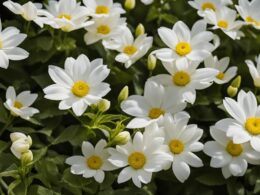
Annual vinca, commonly sold for summer flowers, is Catharanthus roseus. The creeping groundcovers Vinca minor and Vinca major are different plants. Check the botanical name on the label before using a resistance rating or choosing growing conditions.
Rutgers’ deer-resistance list rates annual vinca as rarely damaged and explicitly cautions that no plant is deer-proof. The rating is based on landscape observations, not a promise that your bed will remain untouched. It also does not establish a particular smell as the reason deer avoid it.
Confirm the cause of damage
Look for repeated browsing, tracks, droppings or a wildlife-camera observation before treating deer as the culprit. Missing leaves alone do not identify the animal. Inspect for insects, broken stems and disease as well; deer deterrents will not correct those problems.
Photograph affected plants and compare new damage over several days. Note whether nearby preferred plants are being browsed too. This helps you decide whether occasional damage is tolerable or the planting needs a physical barrier.
Protect plants when browsing continues
A suitable fence or securely supported plant enclosure can protect a valuable bed. Choose a design appropriate to local deer pressure and keep material from tangling around stems or creating a hazard. For extensive fencing, get local wildlife or Extension guidance on the site and design.
If using a commercial repellent, confirm that its label permits the intended ornamental use. Follow its application and reapplication directions, including weather restrictions. A fixed weekly schedule from spring through autumn is not appropriate for every product, and sprinklers or noise devices should not be treated as guaranteed protection.
Will damaged vinca recover?
Recovery depends on how much healthy stem and foliage remain and whether browsing continues. Keep the plant in suitable growing conditions, remove clearly dead or broken material carefully and watch for new growth. Do not assume browsing is beneficial pruning or that fertilizer will replace lost tissue immediately.
For future planting, combine locally suitable, less-preferred plants with protection where needed. Avoid choosing a spreading groundcover solely because deer may dislike it; check regional invasive-plant guidance before planting Vinca species.