Crabgrass control works best as a seasonal plan: identify it, reduce thin or bare turf, prevent new seedlings where appropriate and deal with escapes before they add more seed. You do not have to leave every mature crabgrass plant until winter, and watering immediately after every herbicide spray is not sound advice.
1. Identify crabgrass and choose the right timing
Crabgrasses are summer annual grasses. They germinate as conditions warm, grow through the season and can produce seed before frost kills the plants. Seeds already in the soil can create later problems, so the death of this year’s plant does not end the cycle.
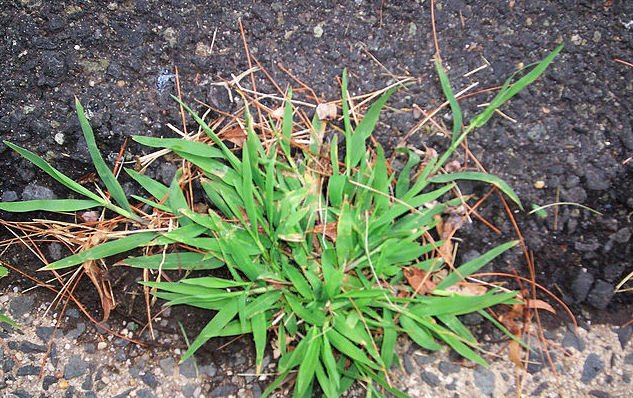
Confirm identification before treatment; other grassy weeds and desirable turf can look similar. Photograph the plant’s base, leaves and seedhead if present. The University of Minnesota crabgrass guide describes identification and management options.
A pre-emergence herbicide must be timed for germination in your area, not simply the first warm weekend. Use local soil-temperature or seasonal guidance and the current label. A fertilizer combination is not necessary when the lawn does not also need feeding.
2. Remove small infestations carefully
Hand removal can be practical for a few plants. Remove the crown and roots as thoroughly as possible without unnecessarily tearing up surrounding turf. Inspect again for missed plants and later seedlings.
If seedheads have formed, contain them while removing the plant instead of shaking them across the lawn. Do not leave the weed growing solely because it has begun flowering. Dispose of seed-bearing material appropriately and repair exposed soil during a suitable establishment period.
3. Use a suitable labeled treatment only if needed
A pre-emergence product prevents susceptible seedlings; it is not the same tool as a post-emergence treatment for visible plants. Product suitability depends on the turf species, crabgrass growth stage, site and weather. Check all of these before applying anything.
Follow the label’s watering instructions. Some pre-emergence products require watering in; a foliar treatment may need a rain-free interval. Watering a sprayed area immediately can reduce performance rather than accelerate it. Do not apply extra water as a universal remedy for herbicide injury either.
A grass-killing herbicide is not automatically safe on a lawn. Choose from the current label for your specific turf, and follow temperature, protective-equipment, re-entry and reseeding restrictions. Never raise the rate to compensate for large weeds.
4. Repair the conditions that leave room for weeds
Maintain the recommended mowing height for your lawn species and avoid routinely scalping it. Address repeated bare patches caused by traffic, drainage or shade. Use a grass suited to the location and an appropriate local planting window.
Check the interval between herbicide use and seeding. Many preventers interfere with desirable grass establishment, but the exact restrictions vary by product; a blanket rule cannot replace the label. Maryland Extension’s lawn calendar shows the importance of coordinating renovation and weed prevention within a regional plan.
Widespread infestation may justify a renovation plan, but mowing at the lowest setting and removing all vegetation is not the first response to a few weeds. Assess the cause and the amount of healthy turf worth preserving before starting over.
Track new growth
Check for new seedlings through the growing season and record where they recur. For other unwanted plants, consult the common weed guide before assuming the same treatment applies. Success means fewer new plants and better turf cover over time, not a guarantee that one spring application removes every seed.