Vintage-style garden gnomes can give a backyard an old-fashioned, playful look without being genuine antiques. An aged finish, muted paint or traditional pose describes a style; it does not establish an object’s age, maker or value. Use the eight ideas below to choose a look, then check the actual item’s condition and specifications before buying.
1. An aged-stone finish
A pale, weathered-looking gnome can sit quietly among greenery rather than competing with flowers. Look closely at the listing: natural stone, cast stone and resin with a stone-like finish are different materials. Do not infer weight or durability from color alone.
Measure the proposed position and check the item’s stated dimensions. A large, heavy piece needs a stable base and a practical lifting plan; a small hollow casting may need a more sheltered location.
2. A gardener with a shovel
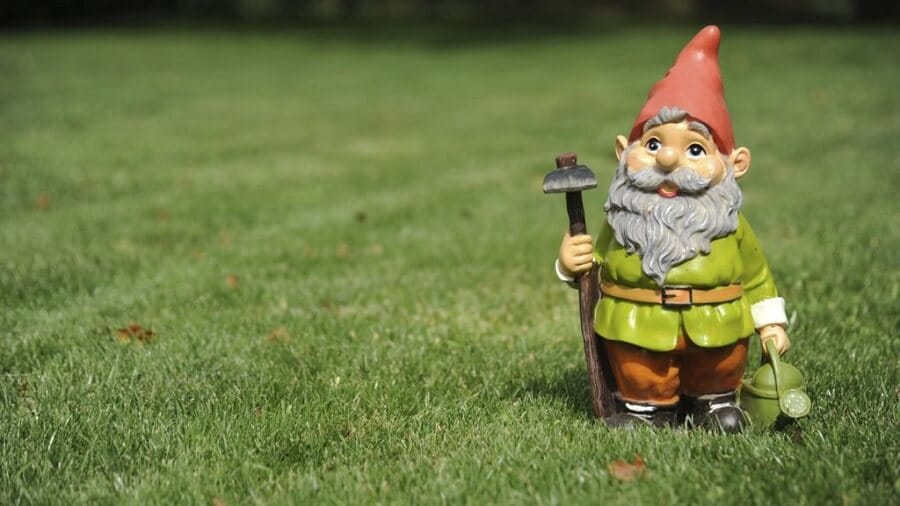
A traditional working pose suits a vegetable patch or potting area. Distressed paint or artificial moss can give a new piece an aged appearance. Choose the pose because you enjoy it, without treating the finish as evidence of years outdoors.
Keep projecting tools out of paths and mower routes. Inspect thin details for cracks or repairs, particularly on a secondhand figure.
3. A small group of woodland figures
Two or three related figures can form a scene beside a stump or in a shaded border. Repeat a color or material to make the group feel intentional. Leave enough room between them for planting maintenance and avoid filling every gap with another ornament.
A textured surface may imitate woven cloth while actually being molded material. Check the construction instead of assuming a fabric-like finish is fabric.
4. A reclining gnome
A reclining figure can suit a low wall or broad shelf where an upright statue would look crowded. Confirm that the support is secure and the figure cannot roll or fall from it. At ground level, keep it visible enough that it will not become a trip hazard.
Neutral gray, reddish or greenish finishes create different effects. Compare photographs in ordinary light if the seller supplies them; dramatic lighting can disguise damage or exaggerate a patina.
5. A watering-can design
A figure carrying a watering can fits naturally near containers. Muted red, green and brown can give a nostalgic appearance, while brighter paint creates a stronger focal point. Match the scale to the pots rather than choosing solely from a close-up photograph.
Check whether any hollow accessory collects rainwater and follow the maker’s placement advice. Decorative details are not necessarily functional containers.
6. A flower-holding gnome
A gnome offering a sunflower or another flower can echo nearby planting. Use one as an accent rather than relying on several competing figures. If shopping for a named manufacturer’s design, verify the model and dimensions against the current listing rather than an old roundup.
Painted resin can reproduce fine detail, but “resin stone” does not mean solid carved stone. Ask about outdoor exposure and storage guidance for the specific product.
7. A cheerful seated figure
A seated figure suits a covered porch, step-side display or low garden shelf. Decide whether you want a subdued antique-style finish or a bright storybook character. Those are aesthetic choices, not quality grades.
Check the base and any repaired limbs on secondhand examples. A decorative item intended indoors should not be assumed weatherproof because it depicts a garden character.
8. Miniature gnomes for a fairy garden
Small figures work well in a contained scene where they will not disappear into mulch. Our fairy garden ideas can help with the layout. Use the actual measurements to judge scale against miniature paths and buildings.
Keep small or breakable ornaments away from young children and pets, and move them before gardening work. A tiny figure is easy to lose under fallen leaves or strike with a tool.
What to check before purchasing
- Age and provenance: for a claimed vintage piece, request clear photographs of marks, the underside, damage and repairs. An old-looking surface alone proves little.
- Material and condition: ask what the figure is made from and whether it has cracks, flaking paint or previous repairs.
- Size and delivery: confirm dimensions, weight, shipping arrangements and the return policy.
- Outdoor suitability: obtain care instructions for the exact item and finish.
Care for the actual material
Do not assume any statue can remain outdoors indefinitely without protection. Campania’s manufacturer guidance, for example, recommends winter care for its products in freeze-thaw conditions and explains that applied patinas continue to weather. That guidance illustrates why a blanket “weatherproof forever” promise is unreliable; follow your own item’s instructions.
Use the gentlest cleaning method recommended for the piece. Before washing, repainting or sealing a potentially valuable antique, seek appropriate conservation advice. Display the gnome where you can enjoy it and inspect it, rather than hiding deterioration under vegetation.