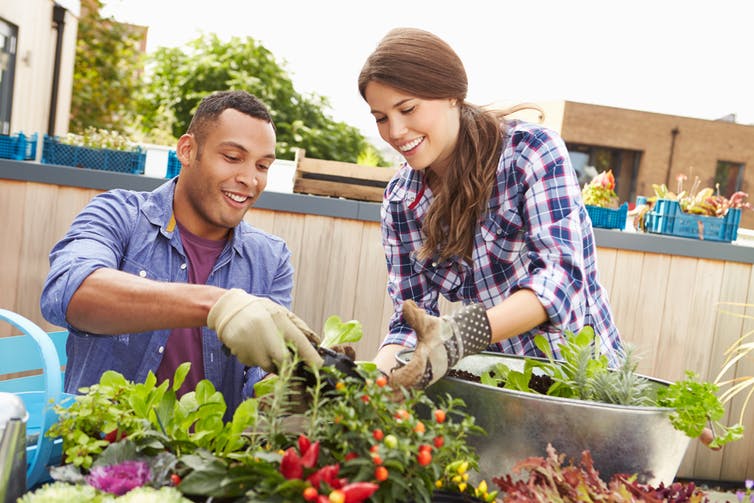
Gardening can add movement, enjoyable outdoor time and a sense of purpose to a routine. Growing food or tending a shared plot can also create opportunities to cook vegetables and spend time with other people. These are useful benefits, but gardening does not guarantee disease prevention or replace medical treatment.
The activity matters as much as the label. Carrying compost, gentle potting at a table and sitting beside a flower bed involve different levels of exertion. Choose tasks that fit your abilities and interests rather than treating every gardening session as a prescribed workout.
What the research supports
A randomized community-gardening trial in Denver and Aurora found benefits in some activity, fiber-intake and stress-related measures. It did not find significant improvements in every outcome, including body mass index and waist circumference. One study in a particular setting cannot establish that gardening prevents heart disease, cancer or depression for everyone.
A realistic reason to garden is that it gives you an activity you may want to repeat. Notice whether you enjoy it, move more comfortably or use your harvest; there is no need to promise a particular medical result.
Make movement manageable
Break demanding jobs into smaller sessions, alternate tasks and avoid carrying more than you can comfortably manage. A cart, long-handled tool or raised work surface may make the activity more accessible. Keep frequently used supplies within easy reach rather than repeatedly bending or climbing to retrieve them.
Someone beginning after a long period of inactivity may prefer watering a few containers to digging an entire bed. If a health condition affects your activity limits, use advice from your clinician or therapist to adapt the work. Pain, dizziness or unusual breathlessness are reasons to stop, not goals to push through.
Mood, routine and connection
Plant care offers small, observable jobs: sowing, checking moisture, pruning or harvesting. Some people find that routine calming; others enjoy learning with a neighbor or garden group. A difficult season can also be frustrating, so keep the scale affordable and manageable.
Gardening can support well-being alongside other activities and care. It is not an antidepressant substitute, and distress that persists deserves appropriate support. Sharing a task or a harvest can be valuable even when the garden produces little food.
Food and safe outdoor habits
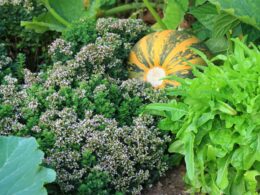
Grow foods you like eating and can realistically care for. A few herbs or a productive container may be more useful than a large neglected vegetable plot. Wash produce before eating it, and follow pesticide labels when treatments are needed. Homegrown does not automatically mean contaminant-free or nutritionally superior.
Do not deliberately expose yourself to strong sun to obtain vitamin D. The CDC’s sun-safety guidance emphasizes protection from ultraviolet exposure. Plan shade, protective clothing and suitable sunscreen, and take breaks from heat. Keep drinking water available.
Soil contact is not a reason to claim gardening “boosts immunity.” Wear appropriate gloves for the job, cover cuts and wash hands with soap and water after working and before eating. Store sharp tools and garden chemicals securely, and consider local biting-insect precautions.
Start with a routine you want to keep
Choose one small project, such as a pot of herbs or a short weekly session in a community garden. Arrange the work area to reduce unnecessary lifting and slipping. Judge success by a sustainable routine and what you enjoy learning, not a promised reduction in disease risk.