Hydrangeas can anchor a border, soften a path or provide a flowering focal point, but a successful design starts with the right species and mature size. Do not choose solely by flower color: light, climate, available space and pruning needs determine whether the planting will work.

Choose the hydrangea before drawing the bed
Panicle hydrangeas, including ‘Limelight’, generally suit brighter positions than many bigleaf hydrangeas. Smooth hydrangeas such as ‘Annabelle’ offer rounded flower clusters; bigleaf types include mopheads and lacecaps. Oakleaf hydrangeas add distinctive foliage as well as flowers. Check the exact cultivar’s hardiness, height and spread rather than treating these groups as interchangeable.
Morning sun and protection from intense afternoon heat can suit many hydrangeas, but deep shade is not a universal solution. Match the plant to your region and site. Soil should hold useful moisture without remaining waterlogged. Plan how new plants will be watered during establishment and dry spells.
Measure the mature spread on the plant label against the bed, windows, path and nearby shrubs. A compact cultivar is usually a better choice for a narrow space than a large shrub that must be cut back repeatedly.

Nine ways to use hydrangeas
1. A repeated flowering border
Repeat one suitable cultivar along a broad bed for a calm, consistent effect. Space plants for their mature width, leaving access to inspect and maintain them. A border that looks slightly open at planting is preferable to one that blocks a path as soon as it matures.
2. A mixed shrub-and-perennial bed

Use hydrangeas as the main shrubs and add smaller plants for texture and seasonal interest. Put companions where they receive the light they need, not simply where their flower colors look attractive on a plan. Leave enough room around shrub bases to water and mulch without burying neighboring crowns.
3. A woodland-edge planting
In a lightly shaded area, consider compatible ferns, hostas or other locally suitable shade plants around a hydrangea that tolerates those conditions. Avoid the deepest shade and dense tree-root competition. Do not raise the soil level over tree roots to create the bed.
4. A loose seasonal hedge
A row of hydrangeas can define a garden area while preserving an informal shape. Choose the mature height for the view you want to frame. These deciduous shrubs are not a substitute for an evergreen privacy screen, and repeatedly shearing them into a rigid wall may sacrifice flowers.
5. A focal point near seating
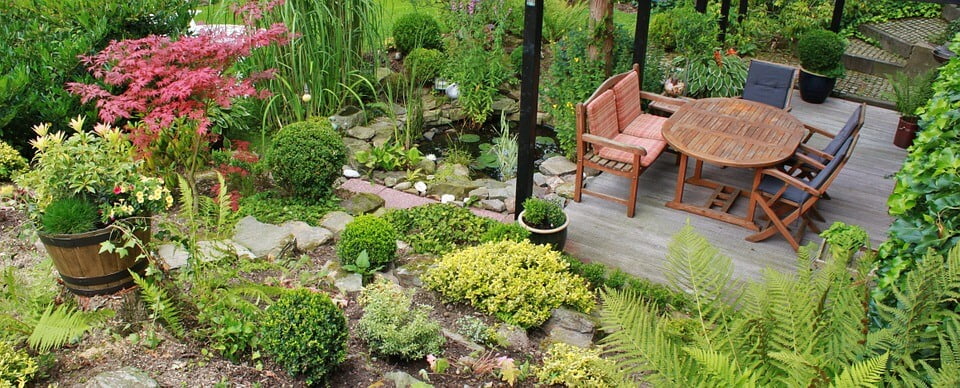
Place a specimen where its flowers and foliage can be seen from a bench or patio. Keep the expected canopy clear of chairs and walking space. Test the position with a temporary marker before digging, and account for reflected heat from paving or walls.
6. A path with room to walk

Set plants back far enough that mature stems and rain-heavy flowers do not spill across the usable path. Repeat a cultivar for rhythm or use a small number of compatible varieties. Keep steps and changes in level visible rather than concealing them behind foliage.
7. A terrace or sloping garden accent
Use planting pockets with suitable soil and reliable access for watering. Hydrangeas can decorate a terrace, but they do not replace engineered drainage or retaining structures. Resolve runoff and slope stability first; choose smaller plants where maintenance access is limited.
8. A container by an entrance
Select a compact cultivar and a stable pot with drainage holes. Allow space for its root system and use suitable container compost. A pot may dry faster than a bed and needs its own watering checks; winter protection also depends on the cultivar and climate. Keep the entrance and door swing clear.
9. A restrained mix of flower forms
Combine a few contrasting forms, such as a panicle and a rounded flower cluster, where their growing requirements overlap. Repeat foliage textures or colors to connect the planting. Use named nursery plants for a predictable design rather than scattering seed and expecting a particular cultivar or color scheme.
Choosing companion plants
Start with shared light, moisture and soil needs. A plant that thrives in dry, open sun may struggle beside hydrangeas in a moist, partly shaded bed. Conversely, a shade-loving companion may scorch in a sunny panicle-hydrangea border.
- For foliage contrast: consider suitable ferns, hostas or other shade-tolerant plants where the site supports them.
- For a brighter border: select locally suitable perennials that tolerate the actual sun and watering regime.
- For seasonal gaps: use modest groups of compatible bulbs or annuals without crowding the shrubs.
- For grasses and groundcovers: check the species’ mature spread and local invasive status before planting.
A neighboring lawn should have a defined edge so grass does not grow into the shrub bed. Bermuda grass is not a default ornamental companion; its spreading habit can create extra work around planting beds. Avoid selecting plants solely because a photograph puts them together.
Pruning and flower color
Identify the species before pruning. Panicle and smooth hydrangeas flower on new growth; many bigleaf and oakleaf hydrangeas carry flower buds on older stems. Reblooming cultivars complicate the picture, so retain the label and use guidance for the actual plant. Unnecessary hard pruning can remove the flowers you were planning the design around.
Soil chemistry can influence pink or blue color in some bigleaf and mountain hydrangeas, but it does not turn every hydrangea blue. White-flowered types do not become blue simply because you add an acidifier. Test soil and obtain cultivar-specific advice before using amendments; plant health is more important than forcing a color.
A practical planting checklist
Mark mature plant widths, confirm light through the day, resolve drainage and arrange watering before planting. Plant at the appropriate root-ball depth, mulch without piling material against stems, and inspect moisture during establishment. Keep a simple record of cultivar names and flowering times so future pruning and replacements are deliberate.