Children can join gardening through small, supervised jobs with tools that fit their strength and ability. Choose the exact product by its stated age guidance, condition and intended use—not just its color or resemblance to an adult tool. The eleven ideas below are activity suggestions, not a current price list.
1. Leaf rake

A small, light rake lets a child gather a manageable patch of leaves. Show how to carry it with the head down and keep space between helpers. Check the handle and tines for damage. Make a shared pile rather than a speed contest that encourages swinging the tool carelessly.
2. Trowel
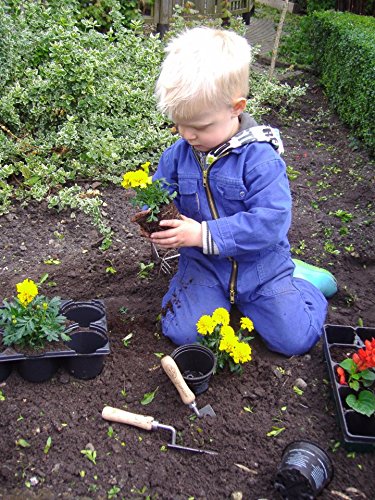
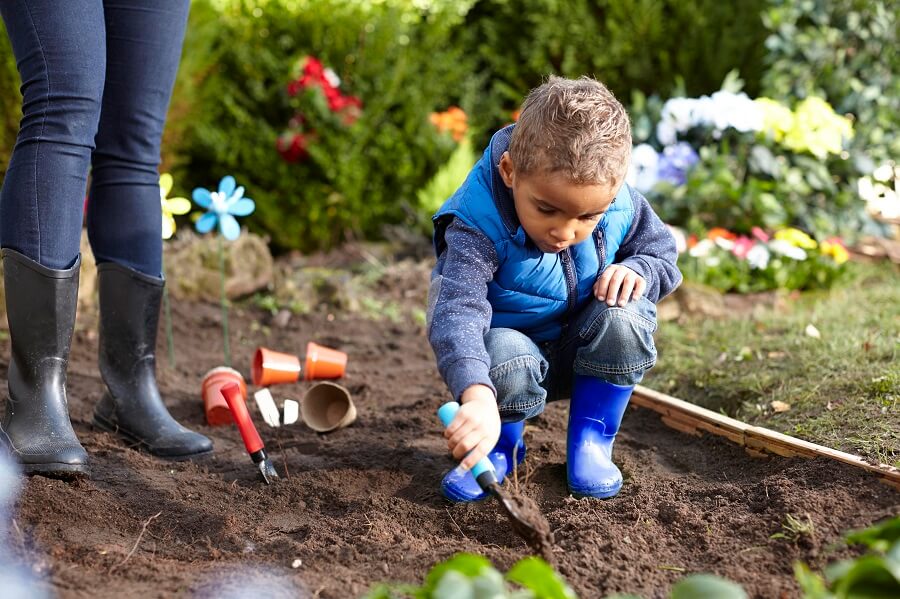
A hand trowel suits planting or exploring a designated patch of clean soil. Choose a manageable size and blunt, age-appropriate design. Adults should identify a suitable digging area and supervise. Digging is an activity to offer, not a treatment for a child’s behavior or a reason to use an adult sharp-edged tool.
3. Sprinkler attachment
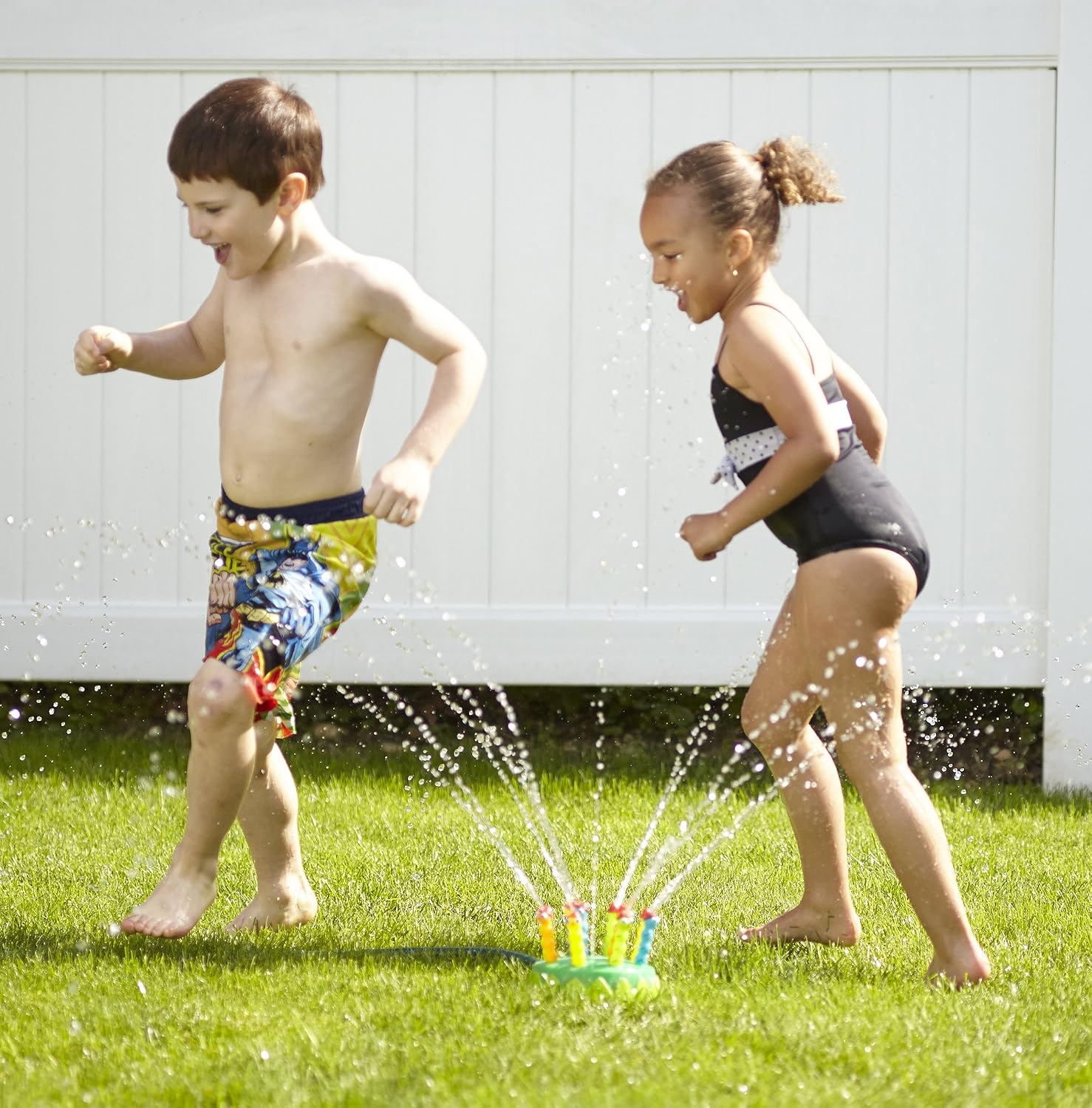
A colorful attachment can make watering interesting, but match it to the task and supervise its use. Keep hoses out of walking routes and direct water away from electrical equipment and other people. Water play does not replace shade, drinking water and breaks in hot weather.
4. Gardening cart
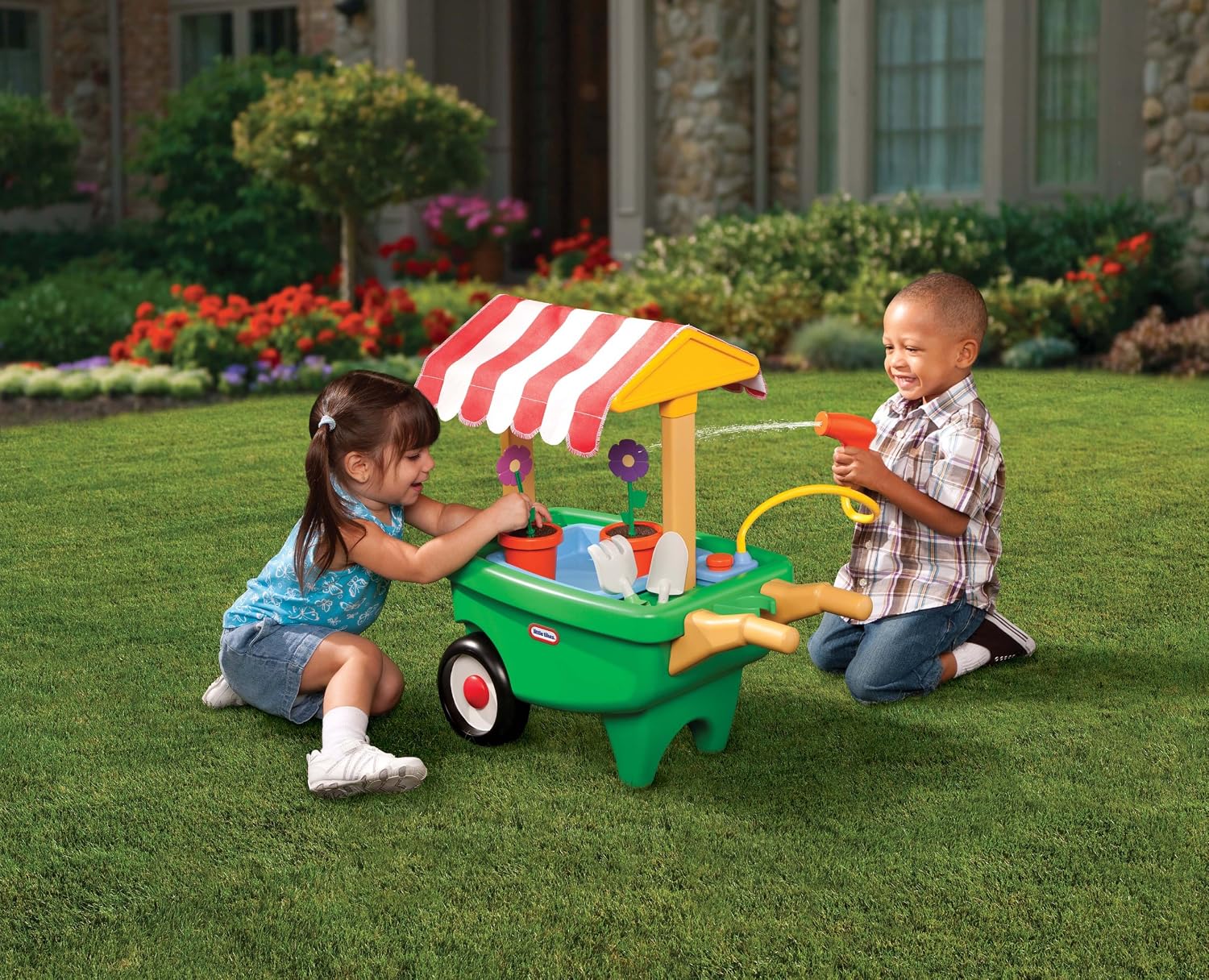
A small cart can move light supplies along a level route. Check its intended use and load limit. Do not carry a child in a gardening cart merely because it looks roomy; passenger use requires a product designed for that purpose and compliance with its instructions. An adult should handle heavy or unstable loads.
5. Herb-growing kit
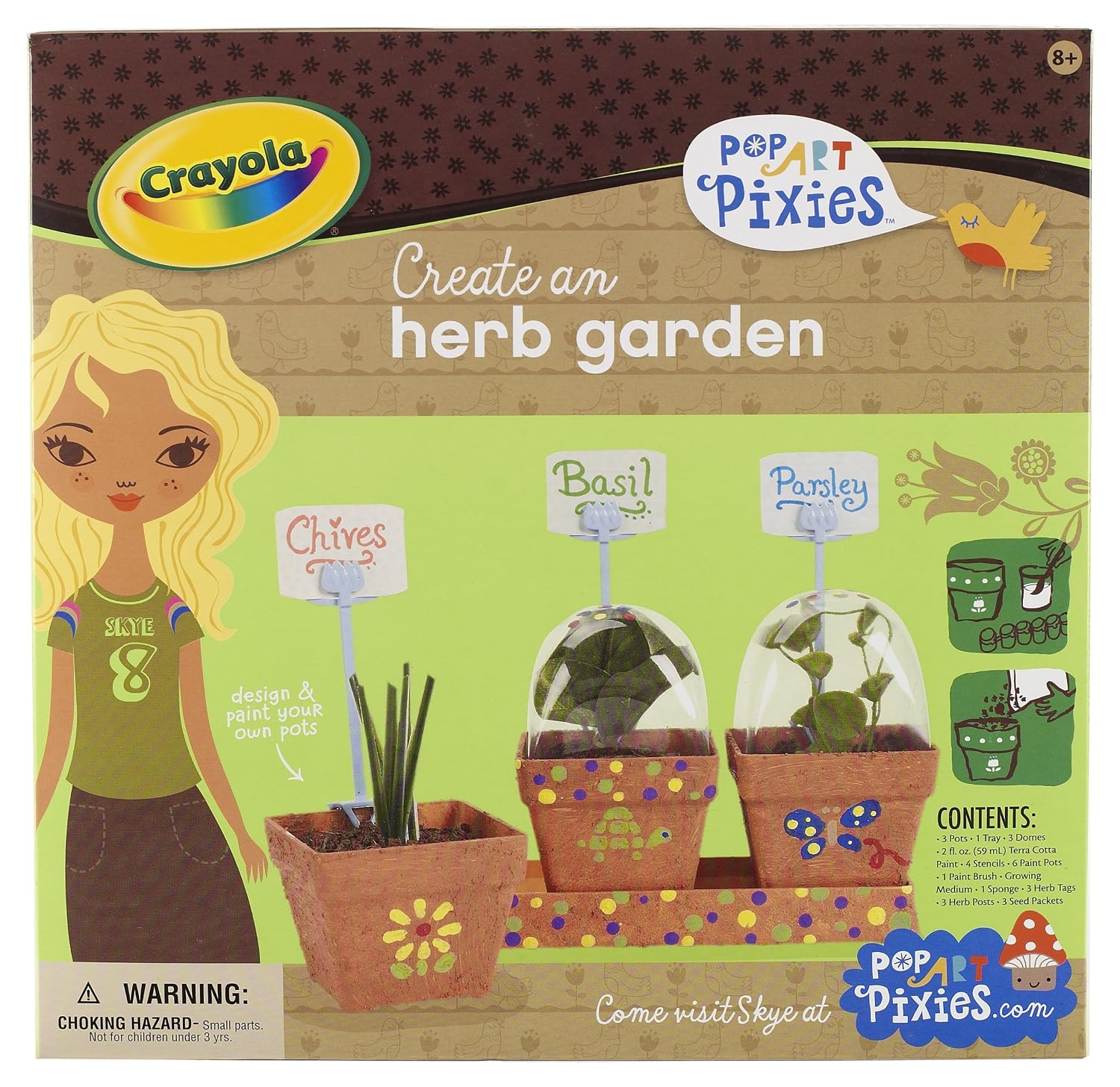
Growing a few familiar herbs offers repeated jobs: labeling, checking moisture and watching new leaves. Verify the kit’s contents and age guidance, and provide suitable light and drainage. Adults should identify edible plants and supervise tasting. Keep seed packets and growing materials out of young children’s mouths.
6. Apron and gloves
An apron can help keep clothes clean and make the child feel part of the activity. Gloves should fit rather than interfere with grip. Neither makes every job appropriate or replaces supervision. Wash hands after gardening, and keep fertilizers, pesticides and sharp tools for adult handling.
7. Watering can

Choose a can the child can carry comfortably when partly filled. A small amount of water is enough to practice aiming at the soil. Let the child check with you whether a pot needs watering rather than emptying a full can onto every plant.
8. Wheelbarrow

A child-sized wheelbarrow can move a small quantity of loose material. Start with a light load on a level route and demonstrate how to set it down without tipping toward feet. Check the wheel, handles and tray. It is not a ride-on toy unless explicitly designed for that use.
9. Shovel

A shovel needs more strength and coordination than a small trowel. Match the tool and task to the child’s ability, and supervise its use in a prechecked area. Do not choose a long metal-handled tool simply because it resembles yours. Store it safely when the session ends.
10. Root viewer
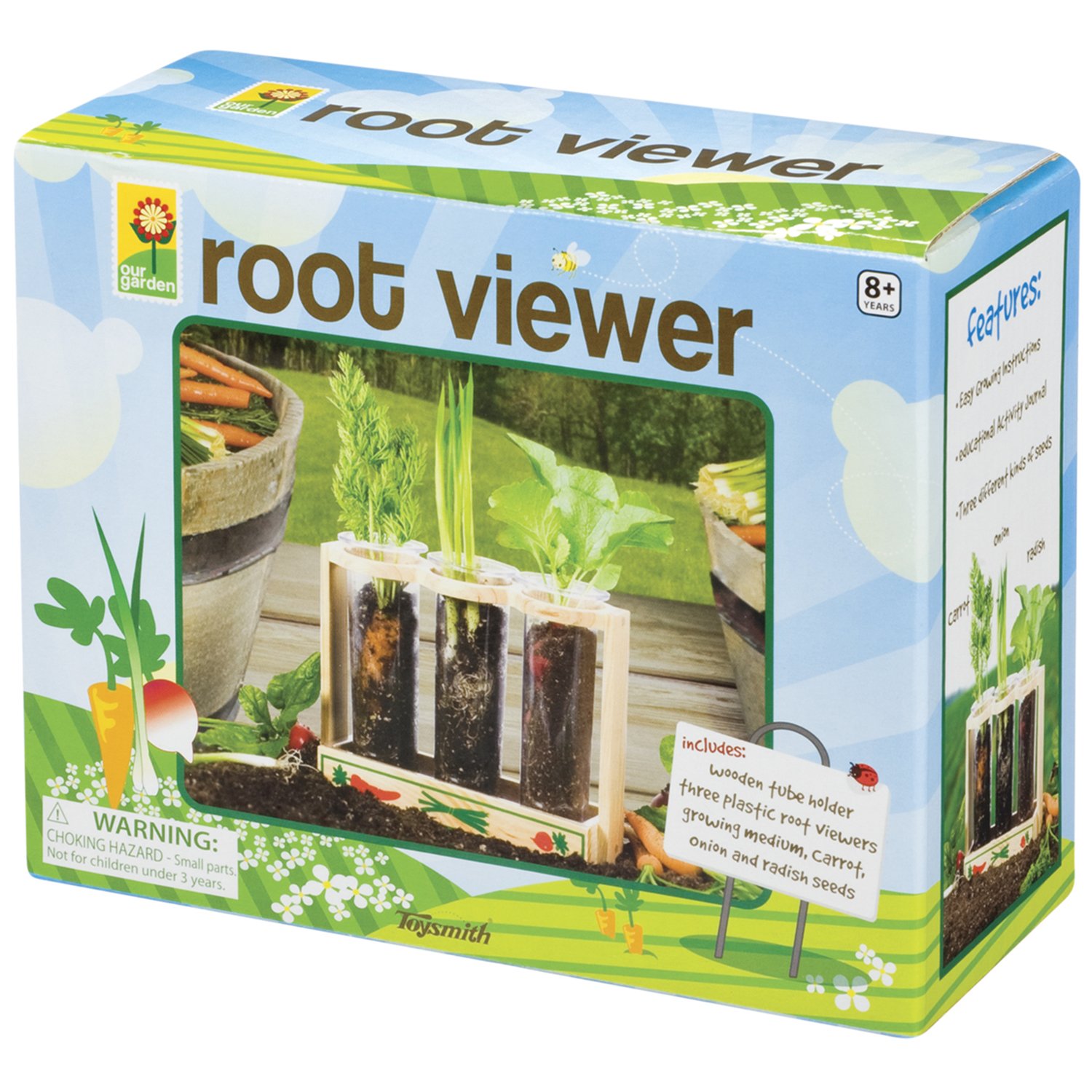
A transparent growing container lets children observe roots and compare changes over time. Follow the kit’s planting instructions and provide appropriate care. Make a simple drawing or date chart to record growth. Move plants when they outgrow the container rather than treating the viewer as permanent housing.
11. Push broom
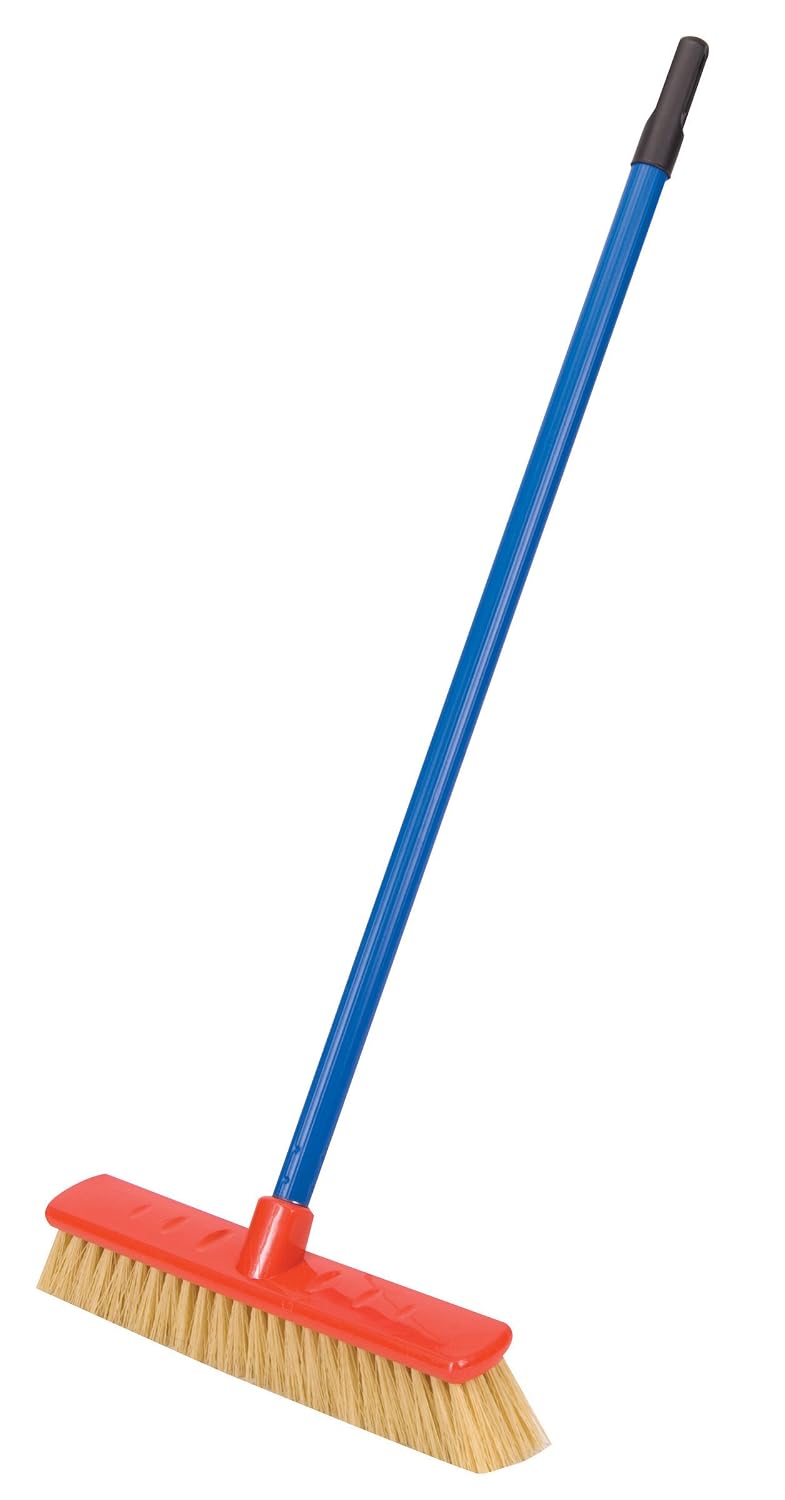
A small broom can help tidy a suitable dry path or patio. Choose a manageable handle length and keep the job away from traffic, steps and hazardous debris. Adults should remove broken glass, sharp objects or unknown materials before children start. Take turns rather than racing.
Plan for regular use
A few well-chosen items are enough; children do not need a complete set to take part. Keep sessions short, let them choose a manageable task and put tools away together. Inspect equipment before reuse, supervise around water and wash hands and harvested produce. Check current manufacturer instructions for any product you buy.