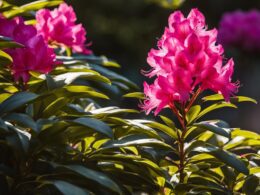
A potted azalea’s flowers are a temporary display, but the shrub can live beyond that flowering period with suitable care. There is no dependable single lifespan for every potted azalea. Identify whether you have a florist’s indoor azalea or a garden cultivar suited to your climate before deciding how to keep it after flowering.
A fading bloom does not by itself mean the plant is dying. Conversely, repeated wilting or waterlogged roots can damage a plant long before its potential lifespan is reached. Judge the leaves, stems, roots and growing conditions separately from the age of the flowers.
Keep the current display in suitable conditions
The RHS guide to flowering houseplants recommends cool conditions and regular moisture for indoor azaleas. Keep the plant in an appropriate bright location away from drying heat, and inspect the potting mix rather than watering to a fixed weekly schedule.
Remove or manage decorative wrapping so drainage water cannot collect around the pot. Check whether the root ball is actually moist; water can sometimes run around a dried-out mass without wetting it evenly. Let excess water drain and do not leave the roots standing in a filled saucer.
Choose the pot for the root ball
Use a container with drainage and enough room for the plant’s roots without automatically moving a small gift plant into an oversized pot. A universal 18-inch minimum is not necessary for every azalea. Consider stability, drainage and how quickly the container dries in its location.
Azaleas need a suitable acidic growing medium. The RHS houseplant guide identifies ericaceous compost for acid-loving plants. Use a product appropriate for the plant rather than assuming ordinary garden soil or an untested homemade blend will provide the right conditions.
Make a plan after flowering
Keep the label and ask the supplier which type you have. An azalea sold as a flowering houseplant is not automatically winter-hardy in your garden. A hardy outdoor cultivar should likewise not be treated indefinitely as a warm-room houseplant without considering its seasonal requirements.
If moving a suitable plant outdoors for summer, acclimate it gradually to the chosen position and keep its moisture needs in mind. Arrange protection before damaging cold for tender types. Do not rely on the common name alone to determine a winter temperature or outdoor planting date.
Feed and prune for the plant, not the fading flowers
Follow the appropriate fertilizer label and regional care guidance during active growth. Slow-release products and soluble feeds have different schedules; applying every product every two weeks can cause overfeeding. Fertilizer will not reverse normal flower aging or repair persistently poor drainage.
Remove spent flowers and manage dead or damaged growth carefully. Before shaping, check the cultivar’s pruning timing so you do not remove future flower buds. A shrub that needs constant severe trimming may need a different container or location.
Investigate decline before treating it
For wilting, first examine moisture and drainage. For discoloration, review light, root condition and recent changes rather than immediately adding fertilizer. Inspect leaves for pests and seek identification if the cause is uncertain. Organic products are not automatically harmless, and pesticide use must follow the label for the plant and setting.
Record whether the plant remains healthy after its display and whether you can provide the conditions needed for future flowering. Keeping it alive and bringing it back into bloom are related but different goals. Neither is guaranteed by a fixed repotting interval or a promise that every azalea lasts only a few seasons.