Start a backyard herb garden with a few herbs you cook with, a suitable sunny spot and soil that drains. A small, accessible planting is easier to use and maintain than a large collection with conflicting needs. You can grow herbs in a bed, in containers, or in both.
Choose the herbs before choosing the layout
List the herbs you actually buy or use. Then check each plant’s mature size, winter hardiness and growing season. Basil, mint, parsley and thyme are not interchangeable plants with one spacing or watering rule.
Keep labels when you buy seedlings. Record whether a plant is annual, biennial or perennial in your climate, and leave room for perennials to expand. A nursery pot’s current size is not its final footprint.
Find enough light and convenient access
Watch the proposed site during the day. Most culinary herbs perform best with substantial direct sun; a bright-looking shaded corner is not necessarily suitable. Minnesota Extension’s herb guide recommends at least six hours of direct sunlight for most herbs.
Choose somewhere you can reach with water and visit easily while cooking. Keep a path or accessible bed edge so harvesting does not require stepping on the soil. Where summer heat is intense, choose species and exposure suited to local conditions rather than assuming every herb wants the same position.
Use beds and containers for different jobs
A bed works well when the soil and drainage suit your selection. Containers let you separate plants with different needs and move a tender herb when seasons change. Neither method is always superior.
Use pots with drainage and a container growing mix. Do not leave ordinary pots standing in collected water. Keep spreading mint in its own container and watch for stems escaping over the rim; Maryland Extension’s mint guide explains its vigorous growth.
Lay out plants using their recommended mature spacing, rather than applying a three- or four-foot gap to every herb. Group plants with similar moisture needs so caring for one does not keep another constantly wet.
Plant at the right time
Use local planting guidance for your chosen herbs. Tender basil should not be planted outside simply because hardy chives have started growing. Acclimate sheltered seedlings to outdoor conditions before transplanting.
Seeds are economical for some herbs; healthy transplants are convenient when you want a quicker start. Label sowing dates and varieties. Maryland Extension’s herb-care guidance covers seed starting and general maintenance.
Check moisture instead of following one calendar
Feel the growing medium and observe the plants before watering. Small pots exposed to wind can dry faster than the adjacent bed. Drainage and actual moisture matter more than deciding that all herbs need water every morning.
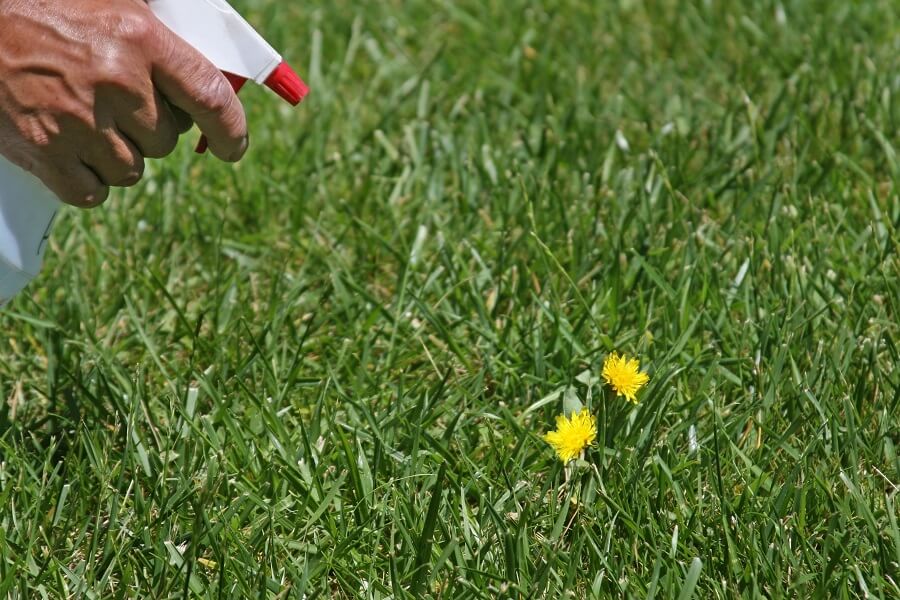
Remove weeds while they are small. Feed according to the plant, growing medium and product instructions; more fertilizer is not a universal route to better culinary quality. Investigate weak growth by checking light, roots and moisture before adding supplements.
Harvest according to the plant
Take modest amounts from established, healthy growth and leave enough foliage for recovery. Basil can be pinched above a leaf node to encourage branching, while parsley is harvested by taking outer stems. There is no single six- or eight-inch height that makes every herb ready.
Use clean tools where needed and keep track of which plants tolerate frequent cutting. Stagger new sowings of short-lived herbs when local conditions allow. Begin with fresh use; if preserving a surplus, choose a drying or freezing method appropriate to that herb.