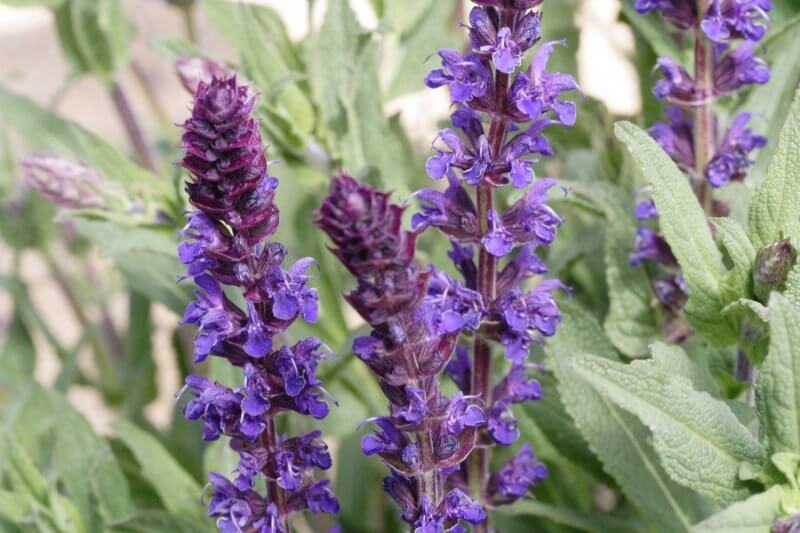
Salvia nemorosa is a clump-forming herbaceous perennial grown for upright flower spikes. ‘Caradonna’ is one cultivar, known for dark stems; it is not another name for every plant in the species. Start with a correctly labeled plant and a site with good drainage, then adjust care to its growth rather than following advice for woody or tropical salvias.
1. Check the cultivar and mature size
Flower color, height and spread vary. Read the nursery label before choosing a position at the front or back of a border. A compact cultivar can suit a small space that would be crowded by a taller one. Keep the label so later pruning or propagation advice can be matched to the actual plant.
2. Choose a bright position
Full sun usually gives a strong display, although some partial shade is tolerated. Deep shade can produce a less satisfactory plant. The NC State species profile describes its sun, drainage and wildlife value. Do not promise continuous flowers all summer regardless of climate and maintenance.
3. Start with a plant or follow seed instructions
A nursery plant offers a straightforward start and a known cultivar. Seed-raised offspring may not reproduce the parent’s particular characteristics. Follow the seed supplier’s sowing depth and germination instructions; a shallow seed depth is not the planting depth for a transplant.
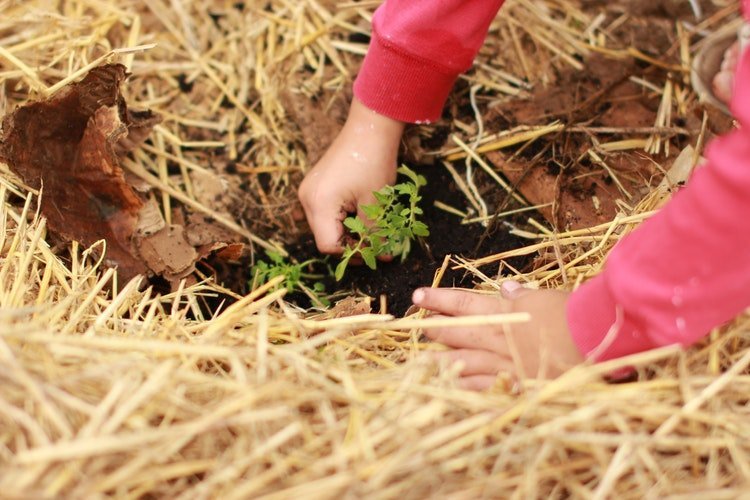
For a potted plant, position the crown at approximately the same level it grew in its pot, then water the root zone. Space plants for their labeled mature spread rather than applying one distance to all cultivars.
4. Improve the site, not just a small hole
Choose soil that drains without remaining saturated around the crown. Do not add a small amount of sand to a clay planting hole and assume drainage is fixed. If the site stays wet, a better-drained bed or container may be the more reliable choice. Rich feeding is not a substitute for suitable soil structure.
5. Water roots during establishment
New plants need moisture through the root ball while they establish. Misting the leaves or surface alone is insufficient. Check below the surface, water when needed and allow excess water to drain. Established plants tolerate some dryness, but prolonged drought or container conditions may still require irrigation.
6. Use containers outdoors thoughtfully
A sunny outdoor pot with drainage can suit a compact variety. Containers dry and freeze differently from garden soil, so check them more often and plan winter protection appropriate to your climate. This hardy seasonal perennial should not be presented as an effortless year-round houseplant. Seed-starting lights are a separate matter from maintaining a flowering plant indoors.
7. Deadhead and clear old stems appropriately
Remove spent flower spikes to tidy the plant and encourage a possible later flush. Follow the shape of living growth rather than cutting every stem by an arbitrary third. Remove dead top growth when appropriate for your climate, taking care around new basal shoots. The RHS profile treats this as an herbaceous perennial, not a woody shrub requiring a universal woody-stem pruning formula.
8. Identify pests before treating
Inspect damaged growth and determine what is causing it. A small amount of insect activity does not automatically justify spraying. “Organic” does not make a pesticide harmless to every organism. If treatment is warranted, select a product labeled for the plant, pest and location, and follow pollinator precautions.
9. Respond to disease with a diagnosis
Give neighboring plants room and avoid persistent waterlogging. Pebbles on the surface do not cure poor drainage or mildew. White growth, spotting and yellowing can have different causes; seek identification before selecting a fungicide. Do not casually combine oils and sulfur or use them without checking label compatibility and temperature restrictions.
10. Renew plants based on condition
There is no automatic three-to-five-year expiry date. Keep a healthy clump, and investigate drainage, shading or crowding if flowering declines. Propagation methods include seed and stem cuttings, but timing and success vary; a fixed four-week rooting promise is unreliable. If maintaining a particular cultivar matters, use an appropriate vegetative method and respect any propagation restrictions.
Track the first flowering period and any later flush in a garden notebook. That gives you a better guide to this plant’s local performance than a generic claim that every salvia needs the same pruning, watering or replacement schedule.
Featured image source: 1