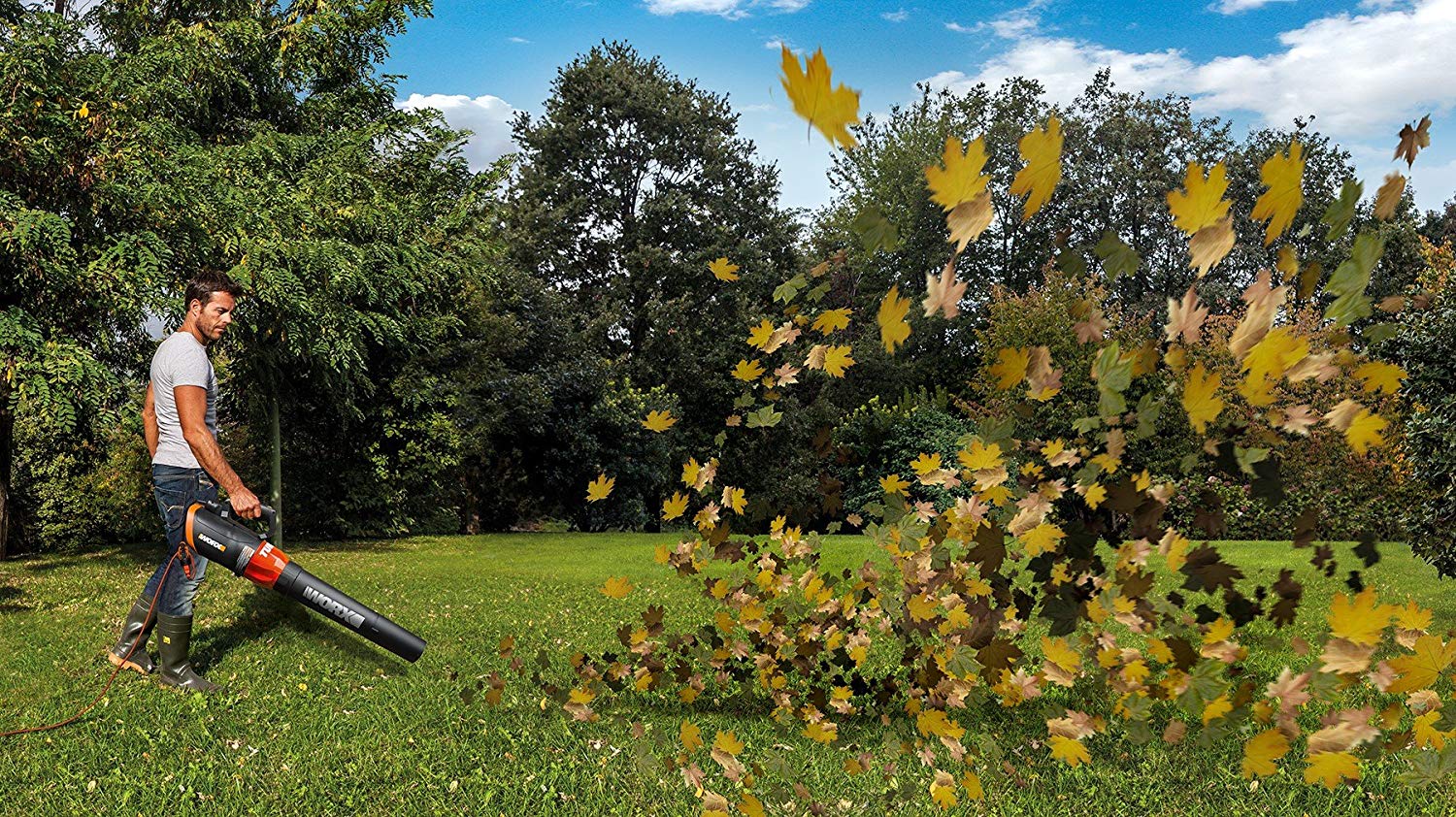


Clear backyard clutter by deciding how you want to use the space, sorting what is already there, and giving the things you keep an accessible home. You do not need a complete landscape rebuild. Start with one manageable area so that sorting does not leave the whole yard harder to use.
1. Open the routes you use every day
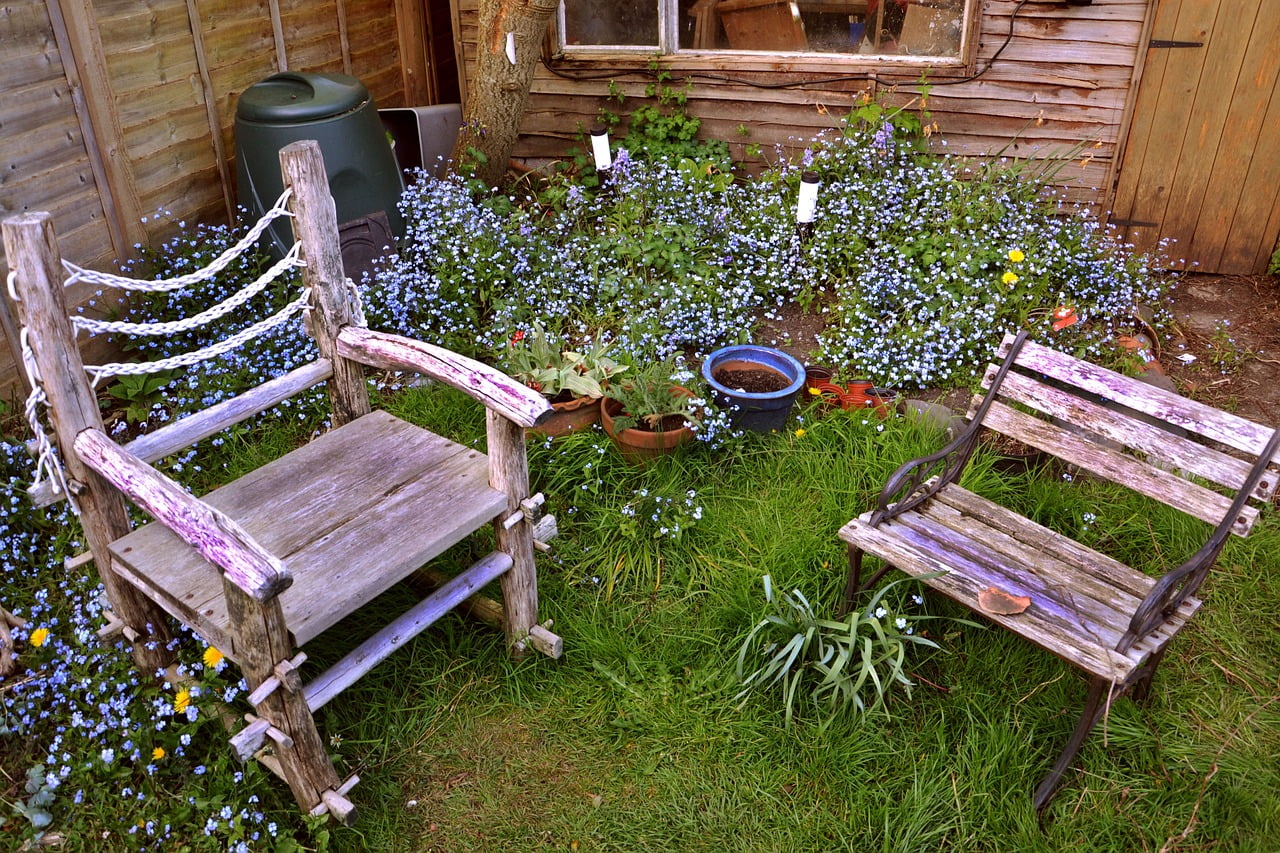
Clear a route to the door, bins, hose and shed. Put aside tools, empty pots and broken items instead of moving them repeatedly from one corner to another. Check for sharp edges and unstable stacks before handling them; use help for heavy or awkward objects.
Separate ordinary clutter from tree hazards. Do not pull down a hanging branch or work near power lines as part of a weekend tidy-up. Arrange qualified help where necessary. Prune plants for their species and season, rather than cutting everything back simply to make the yard look empty.
2. Give each area a purpose
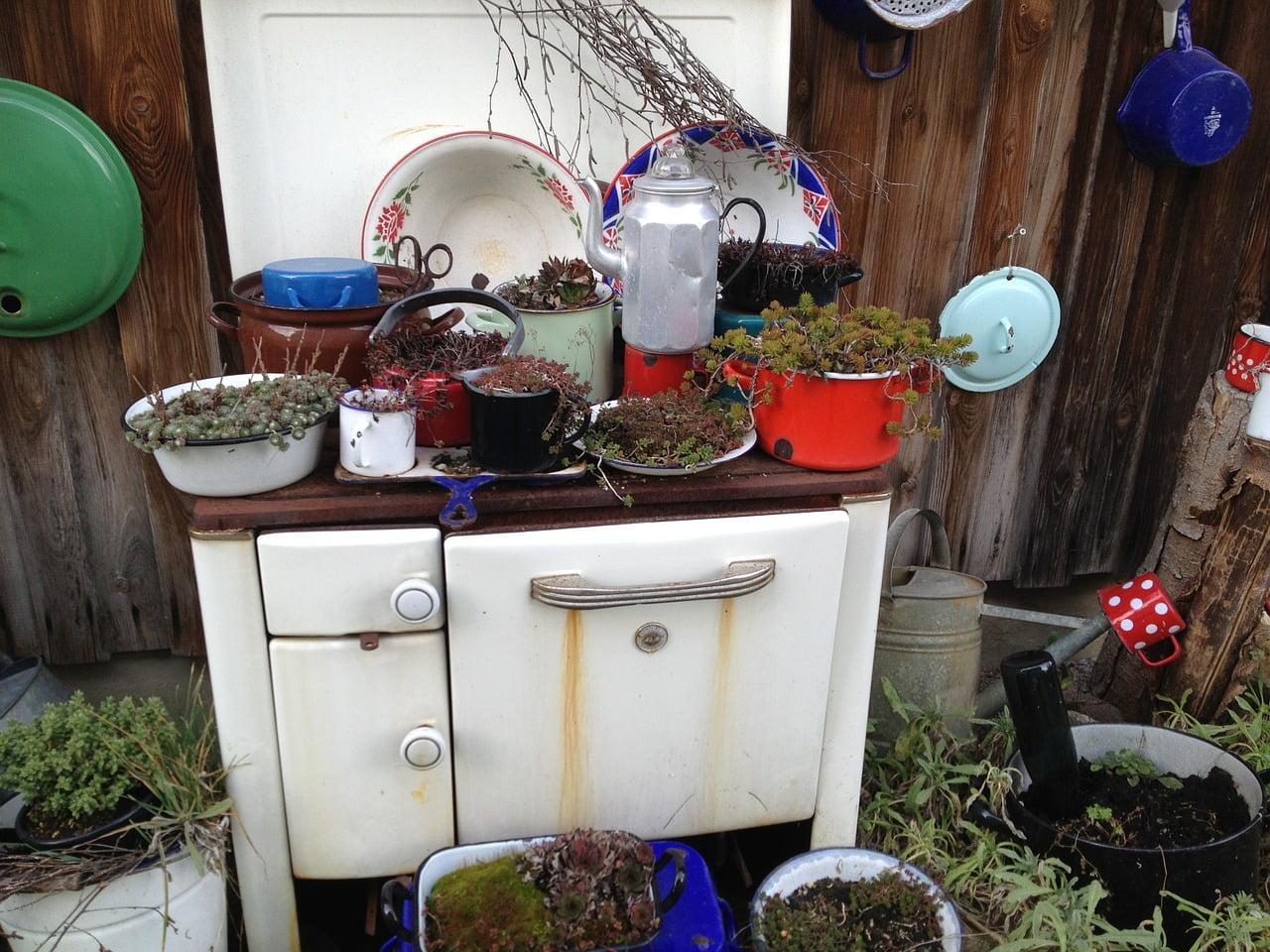
Choose where you want to sit, garden, store equipment and let children or pets play. Keep frequently used items close to the relevant area. A small planting-work corner can hold pots and hand tools without spreading them across the patio.
Walk through the proposed arrangement before buying storage or furniture. Leave enough room to open gates and shed doors and to move equipment safely. Keep drains, utilities and access points clear. A simple layout that you can maintain is more useful than adding features that create another storage problem.
3. Sell or donate things you can genuinely spare
Sort usable items into keep, sell or donate groups. Check that equipment is safe and complete before passing it on, and describe its condition honestly. Recycle or dispose of broken items through an appropriate route rather than presenting them as usable donations.
Set a date for advertised items to leave. If they do not sell, choose the next suitable option so that the “sale pile” does not become permanent clutter. Treat any proceeds as a bonus, not as a promised way to fund an expensive garden project.
4. Arrange disposal for the rest
Check your local service’s rules for green waste, bulky items, electronics, paint, batteries and chemicals. These materials do not necessarily belong in the same collection. Keep products in identifiable containers and do not pour leftovers into drains or garden soil.
If you hire a removal service, confirm what the quote covers, how the material will be handled and whether local licensing or disposal requirements apply. Separate recyclable material where practical. The appropriate service depends on your location and waste, not on a recommendation for a city unrelated to your home.
5. Make storage easy to use
Store the things you reach for most where you can put them away without moving several other objects. Group small items in labeled containers and keep tools securely positioned. Store garden chemicals according to their labels, away from children, pets and incompatible materials.
Before installing a shed or larger structure, check space, drainage, access and local requirements. A new building will not solve an unresolved pile of unwanted items. Finish sorting first, then choose storage for what remains.
Return each item after use and review one problem area periodically. If clutter repeatedly collects in the same place, change the storage arrangement rather than relying on another large cleanout.