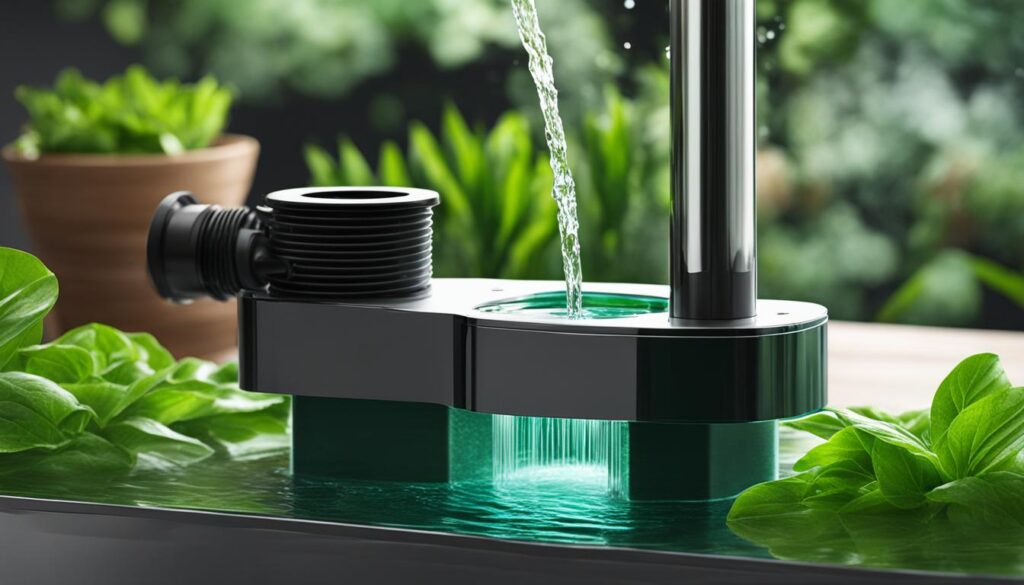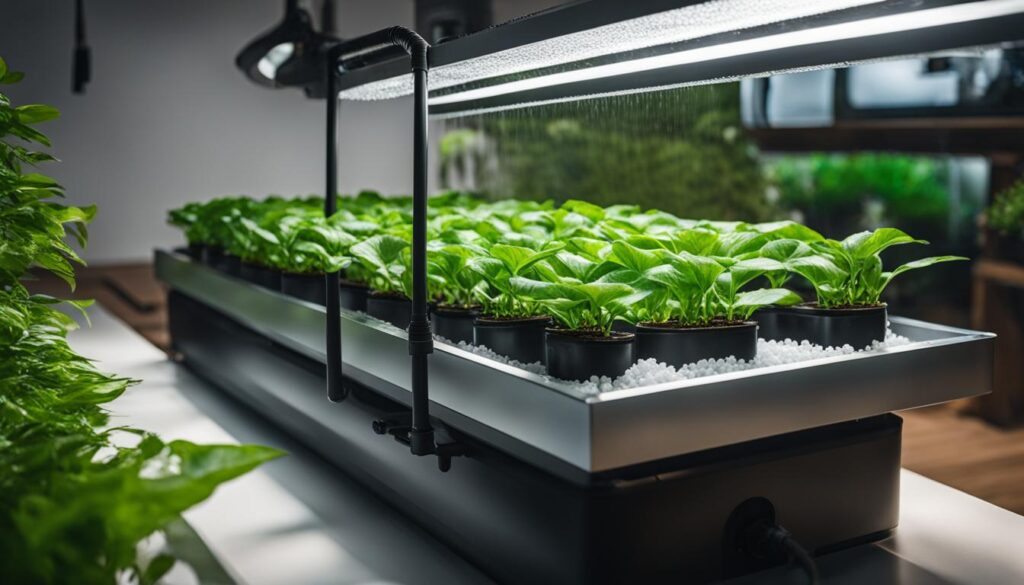


The right external hydroponic water pump delivers the required flow at your system’s operating head, is compatible with the nutrient solution and can run on the required schedule. An external pump is not essential for every hydroponic setup, and a larger maximum-flow number does not automatically mean a better choice.
Use documented pump curves and installation requirements to compare real models. A list of unnamed “Pump A” products, invented prices or unspecified aerators cannot support a purchase decision.
Decide whether external mounting helps
A submersible pump sits in the reservoir; an external pump sits outside and needs suitable inlet plumbing. External mounting can make equipment accessible, but it also adds connections that need inspection. Compare access, space, noise and installation requirements in your own layout.
A simple water-culture container may use an air pump without a separate water-circulation pump. NFT, recirculating arrangements and timed irrigation systems have different requirements. An air pump and a water pump perform different jobs, so do not assume either can replace the other.
Minnesota Extension’s small-scale guide explains system options and emphasizes matching NFT flow to the particular setup. Its example rate is not a universal requirement for every reservoir or crop.
Specify flow where the plants receive it
Record the number of channels or outlets, the required delivery to each and the operating schedule. Use the growing-system designer’s specifications where available. Reservoir volume alone is not enough to choose a pump for every method.
Allow for the vertical distance from the operating water surface to the delivery point and resistance from tubing, fittings and equipment. A pump’s advertised maximum flow commonly describes low-resistance conditions. At its maximum head, useful delivery is not the same as the maximum-flow rating.
Oklahoma State’s pump-performance explanation describes how pump and system curves determine the operating point. Ask the supplier to identify that point for your proposed plumbing, rather than selecting by watts alone.
Check suction and priming requirements
Do not assume an external pump can lift water into its inlet or restart dry. Some need a flooded inlet and priming; others are designed differently. For example, Pentair’s Sweetwater installation note identifies that model family as not self-priming. This illustrates a specification to check, not a recommendation that it fits a small home system.
Follow the selected model’s limits for inlet arrangement, pipe size, valves and dry running. Leave room to service strainers and connections. Have a competent installer resolve uncertain plumbing or electrical details before operation.
Compare the details that affect ownership
- Duty: Is the pump rated for the required continuous or intermittent operation?
- Materials: Are wetted components suitable for the nutrient solution and intended use?
- Power: Is the available voltage and supply compatible, and what is consumption at the operating point?
- Service: Can you obtain the manual, replacement parts and support?
- Installation: Can the equipment be protected and accessed in the intended wet environment?
Leave a justified allowance for planned expansion, but do not buy an oversized pump without a permitted way to control delivery. Check the manufacturer’s directions before throttling or adding a bypass. Excessive flow can disrupt the growing arrangement rather than improve it.
Keep oxygenation and reliability in the design
Moving water does not by itself guarantee adequate root-zone oxygen or stable pH. Keep the aeration, solution monitoring and nutrient-management plan appropriate to the system. Aquaponics also has fish and filtration requirements that should not be copied indiscriminately into plant-only hydroponics.
Oklahoma State’s aquaponics guide treats pumping and aeration separately and discusses backup power. For any crop-dependent setup, decide how you will detect a stoppage and restore service.
Commission and record the result
Before planting, check actual flow at all outlets, leaks, return capacity and reservoir levels. Supervise a power-off and restart check under the manufacturer’s instructions. Do not leave a test running dry to see how long it survives.
Record the model, plumbing arrangement, measured flow and cleaning schedule. Keep access to the pump unobstructed. If performance drops, inspect restrictions and maintenance needs before increasing power or replacing it with a larger unit.