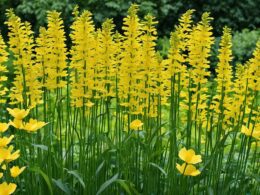
Growing lemongrass beside a patio is not a reliable way to keep bugs away. A living aromatic plant is different from a formulated repellent tested for a named insect, concentration and use. Even when a plant-derived ingredient has repellent properties, that does not show that a pot of the plant protects the surrounding yard.
The word “bugs” also covers insects with very different behavior. Advice about mosquitoes should not be turned into a claim about bees, ants, gnats and every other garden visitor.

Lemongrass is not every plant sold as citronella
Culinary lemongrass, citronella grasses and scented geraniums are not interchangeable. Check the botanical name when buying a plant rather than relying on a lemon smell or a label saying “mosquito plant.” Their uses and growing needs differ.
Iowa State Extension explains that plants promoted as mosquito repellents do not provide effective protection simply by growing nearby. Some contain compounds used in repellent products, but the plant itself is not equivalent to that product.
Grow lemongrass because it suits your gardening goals and climate. Do not place a few pots around a seating area and assume that people no longer need bite protection.
Use evidence for the insect you actually have
For mosquitoes and ticks, consult the EPA’s insect-repellent guidance and choose a product labeled for the pest and intended user. Follow the application instructions, age restrictions and reapplication interval. A repellent for people is not automatically suitable for pets.
Do not make essential-oil skin sprays from a garden recipe or rub crushed leaves onto a child. “Natural” does not establish effectiveness or freedom from irritation. A product’s label is more useful than a claim that one fragrant plant is stronger than another.
For bee concerns, see our separate lemongrass and bees guide. Bee and wasp activity, especially a nest conflict, needs a different assessment from mosquito bites.
Reduce the source of the nuisance
Empty and clean unnecessary water-holding containers, maintain screens and manage rubbish and food spills. Identify small flies before assuming they are mosquitoes; flies around damp potting mix may need changes to plant care instead.
If insects are damaging a plant, identify the pest and the damage first. A mosquito-repellent claim does not make lemongrass a treatment for aphids, caterpillars or a soil problem. Avoid spraying the whole garden in response to an unidentified insect.
The useful distinction is straightforward: lemongrass can be a plant you enjoy growing, while insect protection requires a method suited to the actual pest. Choose tested, labeled products where needed and combine them with practical source reduction.