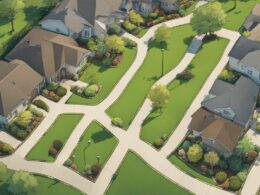
There is no nationwide rule allowing firearm discharge merely because you own a backyard. State law, local ordinances, the location and the circumstances all matter. Before considering any discharge, obtain current guidance for the exact address from the responsible local authority or a qualified attorney.
If the legal position or safety of the setting is uncertain, do not use the backyard. An established range with appropriate supervision is a more suitable place to ask about lawful recreational use.
Start with official rules
Check the current state statutes and official city or county code, including the definitions and discharge provisions. Determine whether the property is inside municipal limits and which authority has jurisdiction. Do not assume that rules on a neighboring rural property apply to yours.
The ATF state-law and published-ordinance resource can help locate relevant material. It is a starting point for research, not a site-specific determination that backyard shooting is permitted. Confirm amendments and local requirements directly with the responsible authority.
Permission involves more than ownership
Lawful ownership or possession of a firearm does not settle where it may be discharged. Nor does a carry permit, a hunting license or the consent of a landlord automatically authorize target practice at home. Private lease or community restrictions and insurance conditions are separate considerations.
Do not treat a particular acreage, fence height, time of day or distance mentioned in an online article as a universal exemption. Exceptions in law can be narrow and jurisdiction-specific. Ask for the applicable legal provision rather than relying on a neighbor’s custom.
Noise reduction does not establish permission
Compliance with a noise rule alone cannot resolve discharge restrictions or risks to other people. A fence, privacy screen or absence of complaints does not establish a safe shooting location. Sound-reducing equipment is not a workaround for laws or an adequate safety assessment.
This guide stays at the legal and safety level. It does not provide instructions for building a backyard shooting facility, choosing firing positions or modifying weapons. Use a qualified professional and an established facility instead of improvising a setup from household materials.
Public land is not automatically an alternative
Do not assume that an open field or public forest permits shooting. Land managers can restrict activities, locations and times, and closures can change. Obtain current information from the agency managing that exact site. Private land requires the owner’s authorization as well as compliance with law.
Hunting and wildlife control involve additional permissions and species rules. A backyard nuisance does not create a general right to discharge a firearm. Contact animal control or wildlife authorities about a lawful response.
Use an established range and secure equipment
Before visiting a range, confirm its operating rules, eligibility requirements, equipment restrictions and supervision or training arrangements. Follow its staff instructions and the equipment manufacturer’s safety requirements.
Keep firearms secured against access by children and unauthorized people. If you need help with safe storage, ask a qualified safety instructor about options appropriate to your household and applicable laws. If there is immediate danger or an injury, call emergency services and avoid entering an active shooting area.
The decision for your address should rest on current official rules and a suitable supervised setting, not on a generic yes-or-no answer or an assumption that private property removes public-safety responsibilities.
Keep a record of the legal answer
When asking the responsible authority about your address, describe the activity accurately and request the applicable ordinance, mapped restrictions and current written guidance. Record the date and check again if the law, property use or proposed activity changes. Advice from a club or a neighbor can point you toward resources, but it is not a substitute for the current rule.