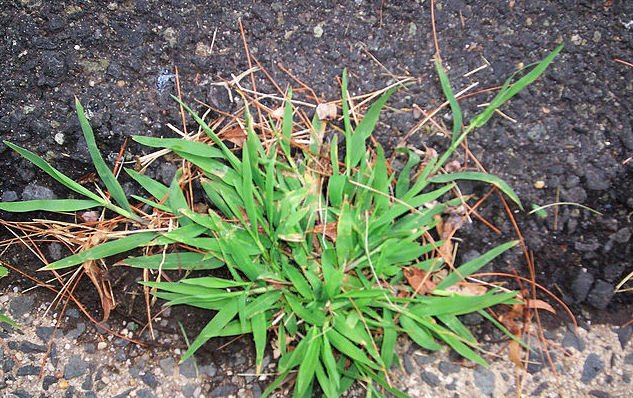
Choose Utah lawn seed for your location, sunlight, traffic and available irrigation. Northern valleys, high elevations and the warmer southwest do not present the same conditions. A seed blend advertised for the whole country is not enough information to make that decision.
Start with the site and the job

Record the hours of direct sun, whether children or dogs regularly use the lawn, and whether the soil can support a healthy root system. Identify the existing grass if you are overseeding. A species that looks different or grows at a different seasonal pace may create a patchwork rather than an improvement.
Check your water budget and restrictions before selecting seed. “Drought tolerant” describes a plant’s response to dry conditions; it does not promise year-round green color without irrigation. Establishing new seed also requires more attentive moisture management than maintaining an established lawn.
Compare the main cool-season choices
Kentucky bluegrass can suit actively used lawns because it recovers through spreading growth. Turf-type tall fescue is another important option, particularly where its deeper rooting can access available soil moisture. Fine fescues can suit some lower-input and partly shaded sites. Perennial ryegrass is often included for relatively quick establishment. These are species groups with different cultivars, not interchangeable products.
USU’s turfgrass selection guide describes these uses and tradeoffs. Its named cultivar lists should be checked against current local availability and more recent trial advice rather than treated as a guarantee that one old cultivar is still the best purchase.
Deep shade is a limiting condition, not a problem solved by a “shade” label alone. Tree-root competition, traffic and irrigation also affect performance. Where turf repeatedly fails, a suitable non-lawn treatment may be more useful than repeated reseeding.
Consider warm-season grasses only where they fit
Buffalograss can offer a lower-water lawn option in suitable sunny conditions, with a shorter green season than cool-season turf. Expect dormancy rather than treating seasonal brown color as automatic failure. Check cultivar hardiness, establishment method and intended use locally.
Southern Utah requires its own assessment. USU discusses both cool- and warm-season choices for southern Utah, including bermudagrass in Washington County. That is not a recommendation to plant it everywhere in the state. Ask county Extension about local suitability, spread and maintenance before introducing an unfamiliar grass.
Clover is not a grass seed substitute in every situation
Clover is a broadleaf legume. It may be part of a deliberately mixed lawn, but it should not appear in a table of cool-season grass species as though it were one. Consider flowers, traffic, winter appearance and the weed-control methods you plan to use before including it. Do not expect clover to stay green in every season or thrive in deep shade.
Read the label and plan establishment
Look for identified species and cultivars, germination and purity information, test date, weed content and whether the mixture suits the existing lawn. Compare the seed portion of coated products as well as package weight. Ask the supplier to explain a label that only emphasizes marketing terms.
Time seeding for the chosen grass and your local conditions. Prepare the seedbed, provide seed-to-soil contact and arrange consistent establishment watering. Hydroseeding changes the application method, not those needs; see how spray-on grass seed works. If the main objective is reducing lawn area or choosing low-water planting, the xeriscape grass guide helps separate usable turf from ornamental grasses.