Family gardening works best when everyone has a small, manageable role and something they want to grow. Start with the space, sunlight and time you actually have. These five ideas can help children and adults take part without turning the garden into an overwhelming chore.
1. Let everyone help choose the plants
Offer a shortlist that suits your climate, available light and garden size. A child might choose a favorite flower color or a vegetable they like to eat; another family member might prefer herbs for cooking. Check the mature size before agreeing to a sprawling crop such as watermelon.
Plant choices need not be identical for everyone. Giving each person a pot or a small labeled section makes their contribution visible while keeping the overall plan practical.
2. Make simple plant markers
Use clean, untreated wooden craft sticks or reusable garden labels. Write the plant name and sowing date, then add a drawing or color so younger children can recognize their plants. Avoid used paint-stirring sticks with paint residue.
Keep the seed packets together as a reference for spacing and care. Comparing the packet picture with the growing plant can become a quick observation activity rather than a test.
3. Give children jobs they can finish
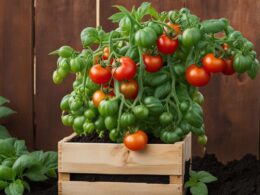
A few containers with drainage or a small bed are enough to begin. Adults can handle heavy digging, sharp tools and any garden products; children can help fill pots, place larger seeds or water with a small watering can under supervision.

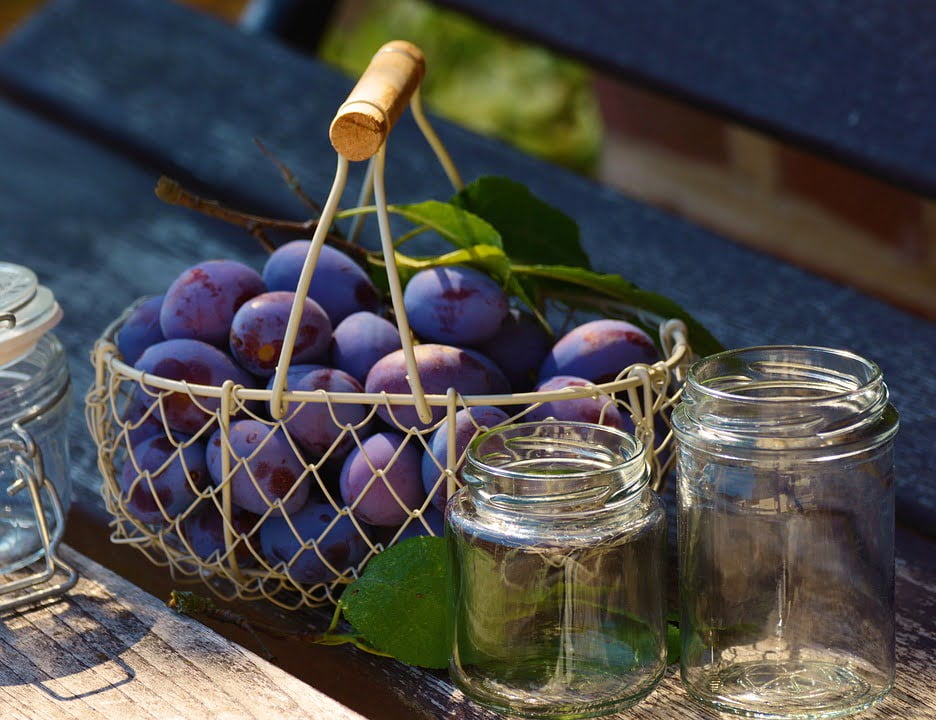
Image Source: Pixabay
Show everyone how to check the soil before watering. A rotating job list can help, but an adult should still check that plants are receiving suitable care. Short sessions leave room for play and make it easier to return tomorrow.
4. Mix quick results with longer projects
Choose some locally suitable, quick-growing plants alongside crops or flowers that take longer. Use the seed packet’s expected timing as an estimate, not a promise: temperature, light and other growing conditions affect progress.
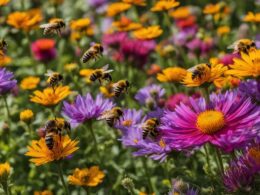
Take a weekly picture or measure one plant together. Notice new leaves, buds and visiting insects as well as the eventual harvest. If a planting fails, try to identify what changed and make the next attempt smaller or simpler.
5. Use the harvest together
Plan an easy meal or snack around something the family grows. Let children help pick produce with guidance, wash it before eating, and explain that only identified edible plants belong on the plate. Flowers and unfamiliar berries are not automatically food.
A shared herb pot or a handful of homegrown vegetables can be enough to make gardening feel worthwhile. Adjust the project to the family’s interests and schedule; participation is easier when each person’s task remains enjoyable and achievable.